
Staying Connected in Turkey: VPNs, Privacy, and Access
Turkey's internet landscape has become increasingly restricted. Here's what you need to know about protecting your privacy and staying connected to global services.
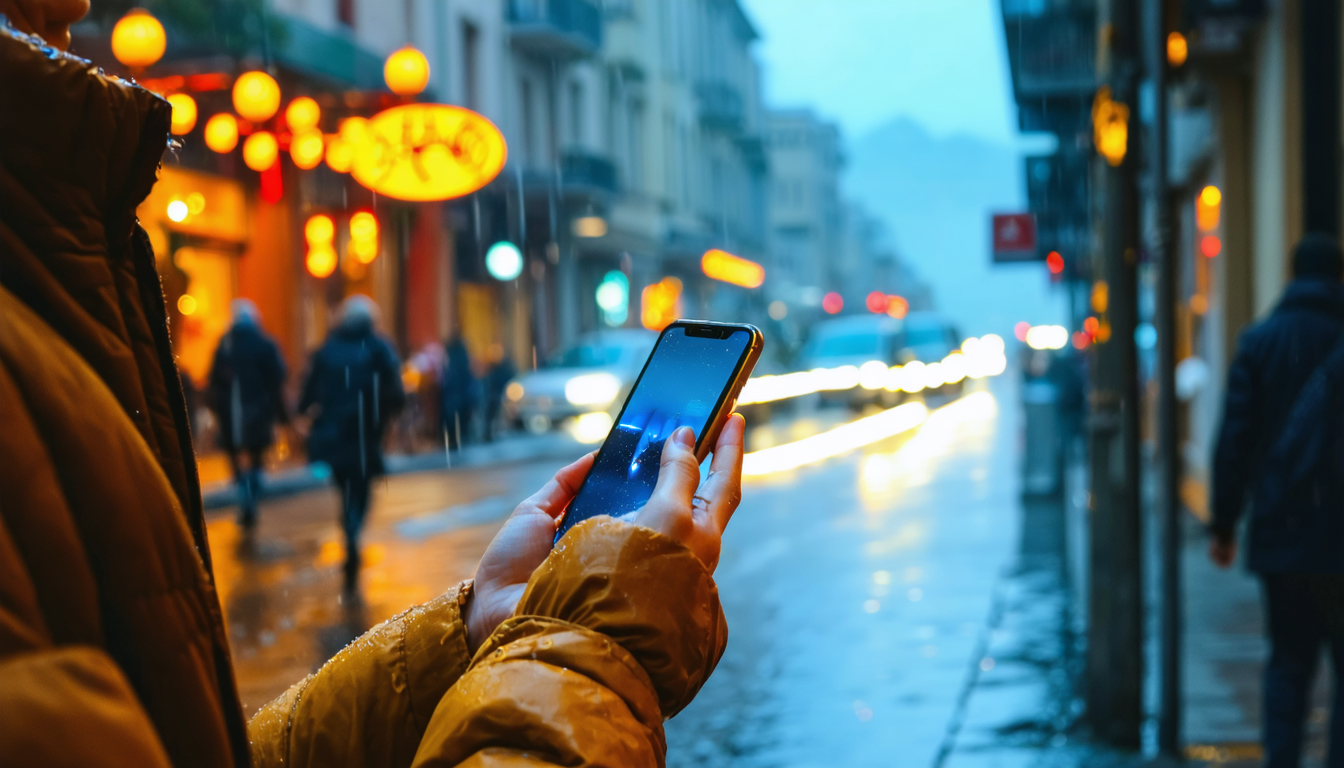
Turkey's digital environment has shifted significantly in recent years. Social media accounts are being blocked at scale—thousands per month—while certain platforms face intermittent access restrictions. If you use the internet in Turkey, whether on public Wi-Fi or mobile data, understanding these pressures and how to protect yourself is practical, not optional.
What's Being Restricted
Recent reports show coordinated blocks affecting thousands of social media accounts monthly, often tied to political speech, journalism, or activism. Major platforms experience periodic throttling or blocking. Content deemed sensitive by regulators—including LGBTQ+ organizations' accounts and journalists' profiles—has been systematically restricted. Turkey's media regulator (BTK) and law enforcement coordinate these actions under various legal frameworks. For ordinary users, this means: the accounts and content you rely on may become inaccessible without warning, and your activity on public networks can be monitored or logged by ISPs and authorities.
Why Public Wi-Fi Is Risky
Cafés, airports, and hotels in Turkey often offer unencrypted Wi-Fi. On these networks, your traffic—emails, messages, browsing history—is visible to anyone else connected. ISPs can also log your activity, creating a record of where you go online. If you access restricted content or communicate with blocked accounts, that activity may be flagged. A VPN encrypts your traffic end-to-end, hiding both what you do and where you do it from ISPs, network owners, and surveillance systems.
Circumventing Blocks and DPI
Turkey employs Deep Packet Inspection (DPI) to identify and block VPN traffic. Standard VPN protocols are often detectable and can be throttled or blocked outright. This is where modern encryption matters: protocols like VLESS + Reality are designed to look like ordinary HTTPS traffic to DPI systems, making them far harder to detect or block. This allows you to reach blocked services—news sites, social platforms, messaging apps—without your VPN connection itself being identified and filtered.
Staying Private on Any Network
Beyond circumvention, a VPN keeps your ISP and authorities from building a profile of your browsing. If you're researching sensitive topics, communicating across borders, or simply want privacy on shared networks, encryption ensures your traffic remains yours alone. A no-logs VPN means even the VPN provider cannot see or store records of your activity.
How Doft VPN Helps
Doft VPN uses VLESS + Reality encryption—specifically designed to defeat DPI and look like regular HTTPS to network monitors. Every server location is free; premium adds 10x speed and raises the data allowance. It keeps no logs of your activity, and connects in one tap from anywhere. For Turkish users navigating a complex regulatory environment, Doft offers a straightforward way to encrypt your traffic, protect your privacy on public networks, and reach global services reliably—without cost barriers to entry.
Source: news.google.com
Blocked where you are?
Doft VPN is free and opens access in one tap.