
Staying Connected and Private in Turkey: What You Need to Know
Social media accounts face sudden blocks, public Wi-Fi carries privacy risks, and internet access can be unpredictable. Here's how to protect yourself.
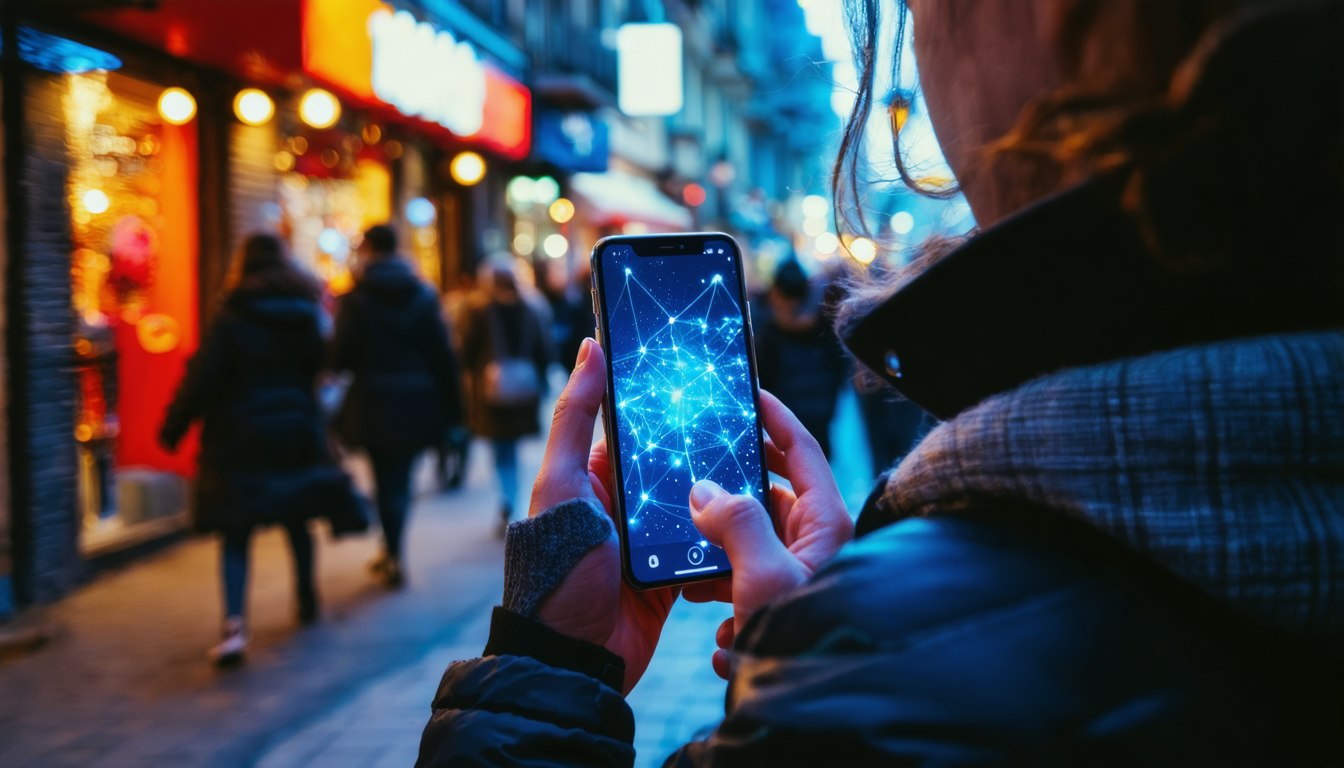
Turkey's internet landscape has become increasingly complex. Recent weeks have seen dozens of social media accounts restricted without warning—from political figures to ordinary users sharing unverified claims. At the same time, throttling of certain platforms remains common, and public Wi-Fi networks in cafes and transit hubs pose real security risks. Understanding these pressures and how to protect yourself is essential for anyone who relies on the internet daily.
Account Blocks and Access Restrictions
Access blocks targeting specific accounts or content have become routine. Turkish regulators and platforms themselves can restrict accounts based on alleged misinformation, security concerns, or political sensitivity. Users may discover their ability to view or share content suddenly limited—sometimes with explanation, often without. While courts have begun reviewing some of these decisions, the process is slow. A VPN does not prevent account-level restrictions from platforms themselves, but it does prevent your ISP or local network from knowing which accounts or content you are trying to access, adding a layer of privacy to your browsing.
Public Wi-Fi and Data Theft
Cafes, airports, and public transport across Istanbul, Ankara, and Izmir all offer free Wi-Fi—but these networks are rarely encrypted. Anyone on the same network can intercept unencrypted traffic, capturing passwords, messages, and personal data. This risk is especially high when logging into email, banking, or messaging apps. A VPN encrypts all traffic leaving your device before it touches the public network, making interception pointless. Your activity remains private even on crowded, open networks.
Throttling and Unreliable Access
Some services experience intermittent slowdowns or inconsistent availability depending on your location and ISP. This can make streaming, video calls, or simply loading news sites frustrating. A VPN can help by routing your traffic through different network paths and masking the type of content you're accessing—your ISP sees only encrypted data, not the destination. This often results in more consistent speeds and fewer artificial delays.
Staying Private Without Compromise
The core issue is simple: your ISP, network operator, and potentially others can see what you do online. They know which sites you visit, which apps you use, and when. This data can be logged, sold, or handed over to authorities. A VPN encrypts your traffic and routes it through a secure server, so your ISP sees only that you are using a VPN—not the content itself.
Doft VPN uses VLESS and Reality encryption, a modern protocol designed to look like ordinary HTTPS traffic. This means it's far harder to detect or block than older VPN protocols, even on networks with deep packet inspection. Every server location is free to use, so you can connect to Turkish servers (to appear local) or international servers (to access global content) without paying. It keeps no logs of your activity, connects in one tap, and works on both Android and iOS. For users navigating Turkey's shifting digital landscape, that combination of privacy, speed, and ease makes staying secure straightforward.
Source: news.google.com
Blocked where you are?
Doft VPN is free and opens access in one tap.