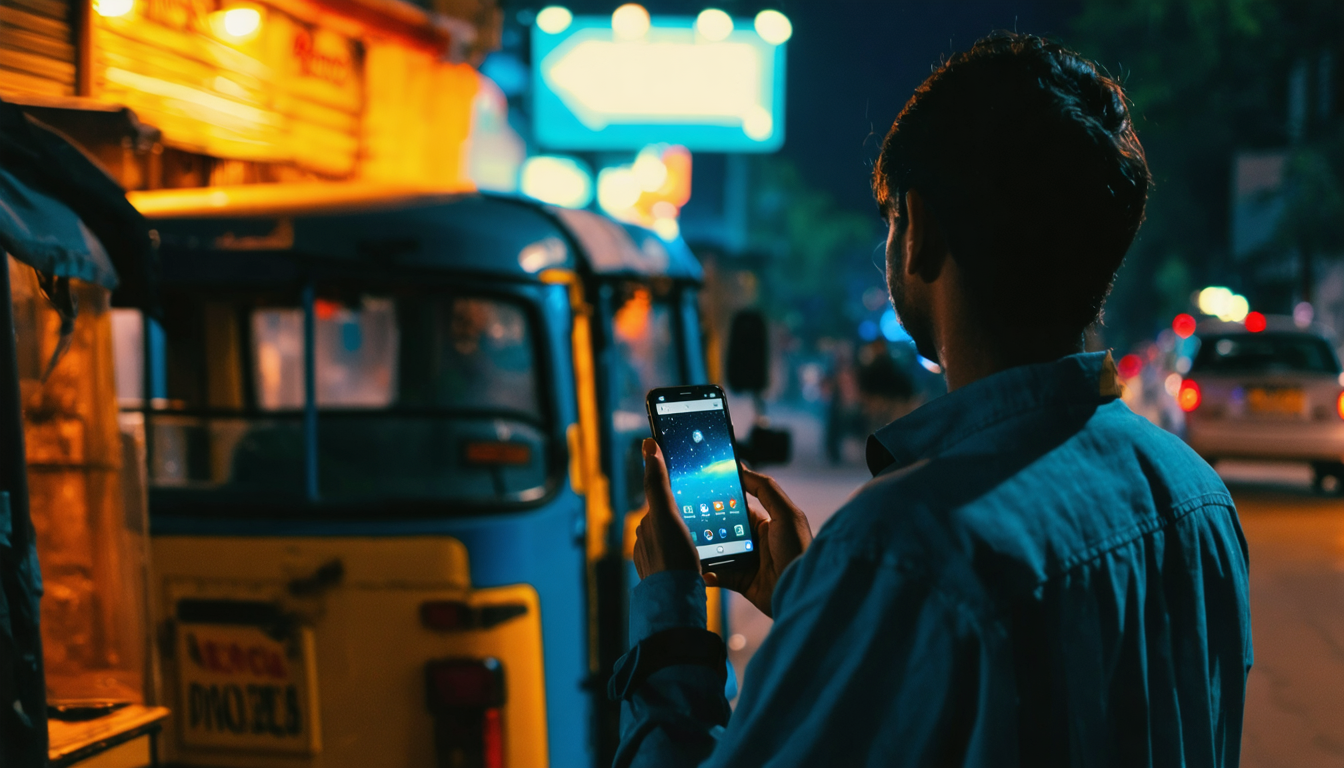
Staying Private Online in Thailand: VPNs and Public Wi-Fi Safety
Thailand's internet landscape includes content restrictions and public Wi-Fi risks. Learn what's blocked, why, and how encryption protects your privacy and access.
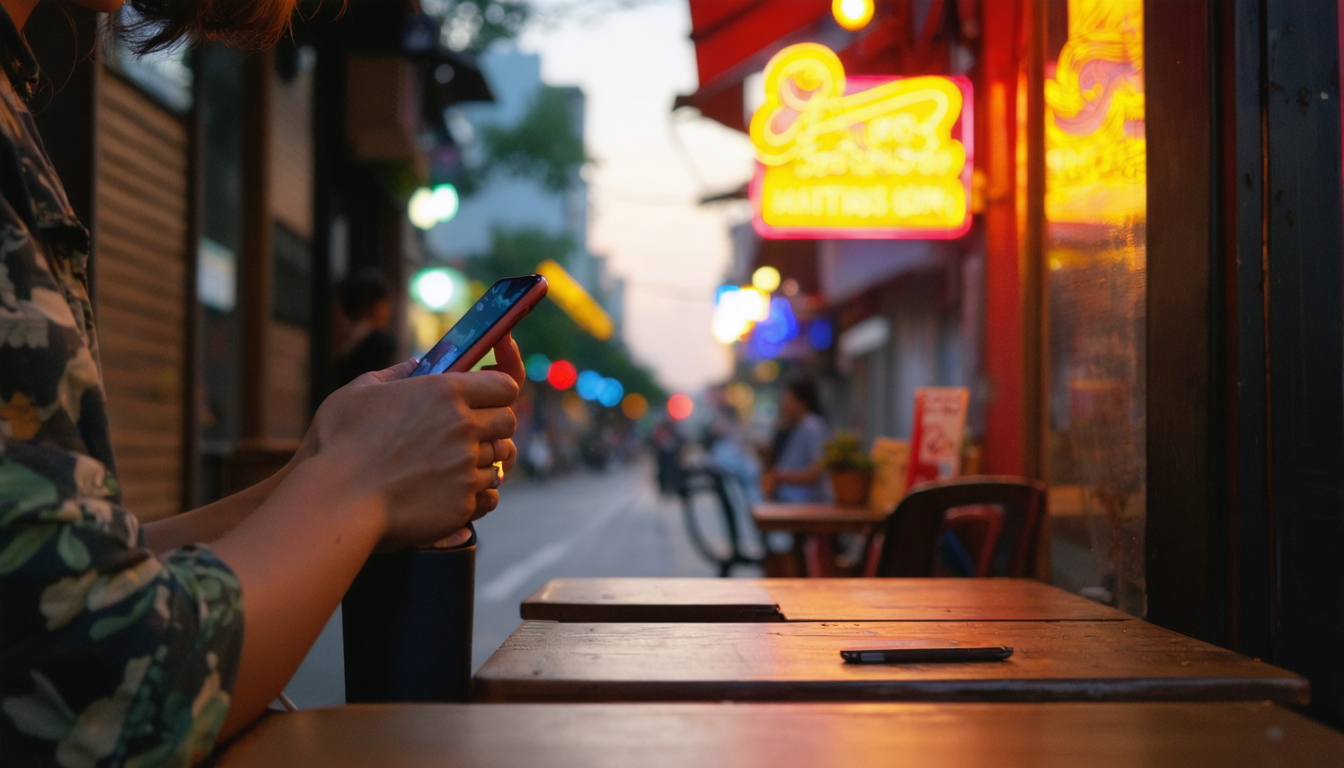
Thailand's internet environment reflects both regulatory oversight and widespread public Wi-Fi use. Whether you're in Bangkok, Chiang Mai, or connecting at a café, understanding what you may encounter—and how to stay secure—matters for everyday online life.
What Gets Restricted or Throttled in Thailand
Thailand's regulatory framework, including the Computer Crime Act and oversight by the National Broadcasting and Telecommunications Commission (NBTC), results in blocking of certain content categories. Political speech, gambling sites, and some international news outlets have faced restrictions. Additionally, streaming services and content platforms sometimes geo-block Thai users or throttle traffic during peak hours. While many global services work normally, knowing which ones may be inaccessible or slow helps you plan around interruptions.
Public Wi-Fi: Convenience and Risk
Thailand's thriving café and shopping mall culture means many people connect to free public Wi-Fi daily. These networks are convenient but inherently open: anyone on the same network can potentially intercept unencrypted traffic, capture login credentials, or inject malicious content. A café's free Wi-Fi, a hotel lobby connection, or even a co-working space offers no guarantee that your data—banking details, messages, browsing—stays private. This risk is especially acute when you're traveling or working remotely.
How Encryption and a VPN Help
A VPN encrypts all your internet traffic before it leaves your device, making it unreadable to others on the same network. Even on an open Wi-Fi, your passwords, messages, and browsing activity remain protected. A VPN also masks your real IP address, so websites see the VPN server's location instead of yours—useful for accessing services that may be geo-blocked or throttled for Thai users. Modern VPN protocols like VLESS with Reality encryption also disguise VPN traffic as ordinary HTTPS, making it harder for networks or regulators to detect or block VPN use itself.
Beyond public Wi-Fi, a VPN protects your privacy on any network by ensuring no activity logs—no browsing history, no DNS queries, no traffic content—are stored. This means your internet service provider and the websites you visit cannot build a detailed profile of your online behavior.
Doft VPN: Free, Fast, and Private
Doft VPN offers one-tap connection on both Android and iOS, with every server location free to use. If you want faster speeds and a much larger monthly data allowance, Premium is available—but free access is genuinely useful for everyday privacy on public Wi-Fi and accessing global services. Doft uses VLESS + Reality encryption, which looks like normal HTTPS and bypasses many network restrictions. Most importantly, it keeps no activity logs, so your browsing stays private even from Doft itself.
Stay connected, stay private, and stay secure—whether you're in a Bangkok café or anywhere else online.
Blocked where you are?
Doft VPN is free and opens access in one tap.