
Staying Connected in Iran: VPNs, Public Wi-Fi, and Your Privacy
Internet access in Iran is increasingly restricted and monitored. Learn what sites and services face blocks, why public networks are risky, and how a VPN helps you stay private and connected.
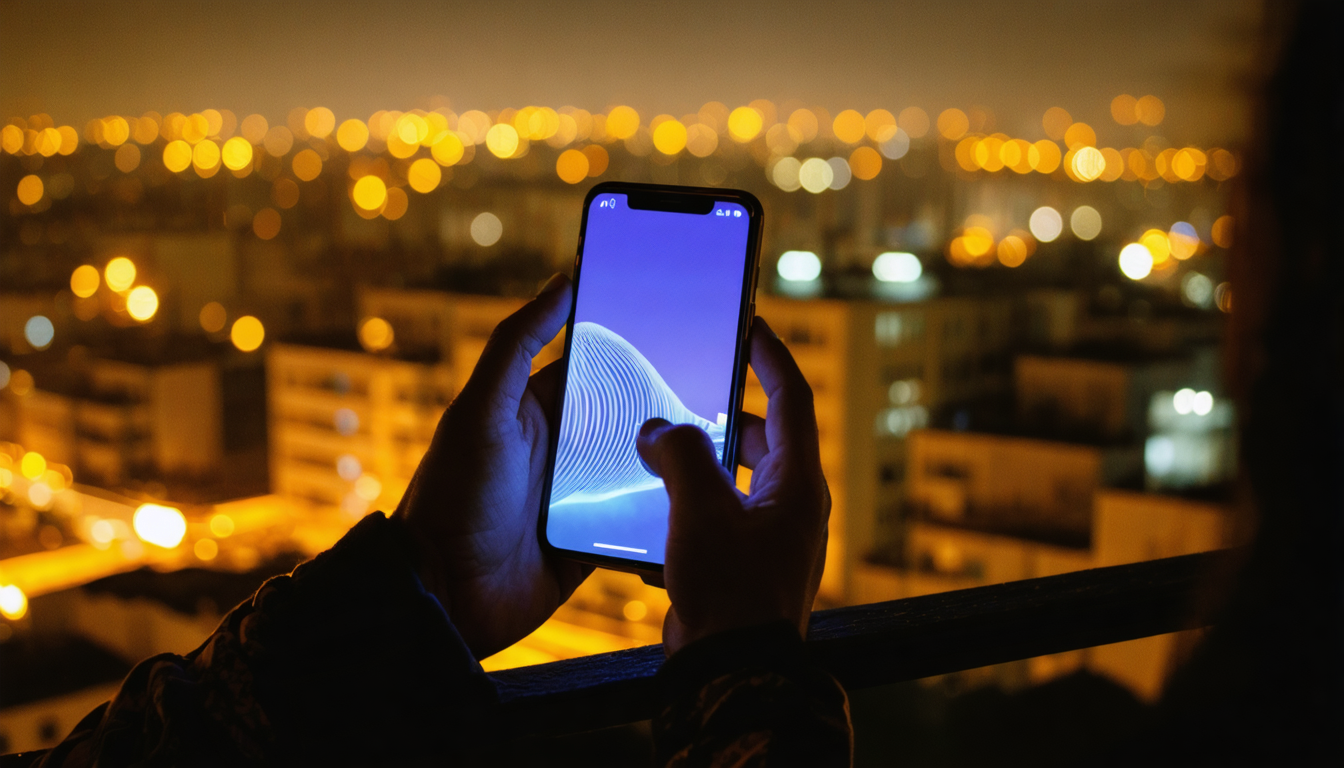
Internet access in Iran has become increasingly controlled. Major platforms including social media, messaging apps, and news sites face routine blocks or throttling, while mobile internet is frequently disrupted during sensitive periods. If you use public Wi-Fi in cafés, offices, or transit hubs, your browsing is visible to network operators—and in an environment where internet activity is monitored, that visibility carries real risk. Understanding what you face and how to protect yourself is essential.
What's Blocked and Throttled
Iran's government restricts access to many global services. Social media platforms, VoIP apps, news outlets, and file-sharing sites are commonly blocked or made very slow. During key events—exams, elections, protests—mobile internet has been shut down entirely or slowed to near-unusable speeds. These blocks are enforced through deep packet inspection (DPI), which examines your traffic to identify and block specific sites and protocols. Even when a service isn't officially blocked, throttling can make it impractical to use.
The Risk on Public Networks
When you connect to public Wi-Fi without protection, every unencrypted request—your login attempts, search queries, messages—can be read by anyone on the network, including the operator. In Iran's context, where internet use is monitored and certain activities carry legal and personal risk, this exposure is serious. Even encrypted services like messaging apps can leak metadata (who you're talking to, when, how often) if your connection itself isn't secured. Public networks are convenient, but they're not private.
How a VPN Helps
A VPN encrypts all your traffic before it leaves your device, so your internet provider, network operator, and monitoring systems see only encrypted data flowing to a VPN server—not the sites you visit or what you do there. This means:
- Your activity stays private: no browsing history, no DNS queries, no traffic content logged by your provider or network.
- Your connection looks ordinary: modern VPN protocols can mimic standard HTTPS traffic, making it harder for DPI systems to detect and block.
- You can reach global services: by routing through a VPN server outside Iran, you can access blocked sites and apps reliably.
- Public Wi-Fi becomes safer: your data is encrypted end-to-end, so café networks and shared hotspots no longer expose your activity.
Doft VPN: Free, Private, and Reliable
Doft VPN offers a practical way to reclaim privacy without cost. Every server location is free to use, with no activity logs—no browsing history, no DNS queries, no traffic content. It uses VLESS + Reality encryption, a modern protocol that looks like ordinary HTTPS to DPI systems, making it harder to detect and block. You connect in one tap, and your traffic is immediately encrypted and routed through a secure server.
If you need faster speeds or a larger monthly data allowance, Premium is available—but the free tier covers everyday use across all server locations. In an environment where staying connected and staying private are increasingly difficult, a reliable, free VPN is a straightforward tool to reclaim both.
Your internet access shouldn't depend on what your government or network operator decides you can see. A VPN helps ensure it doesn't.
Source: news.google.com
Blocked where you are?
Doft VPN is free and opens access in one tap.