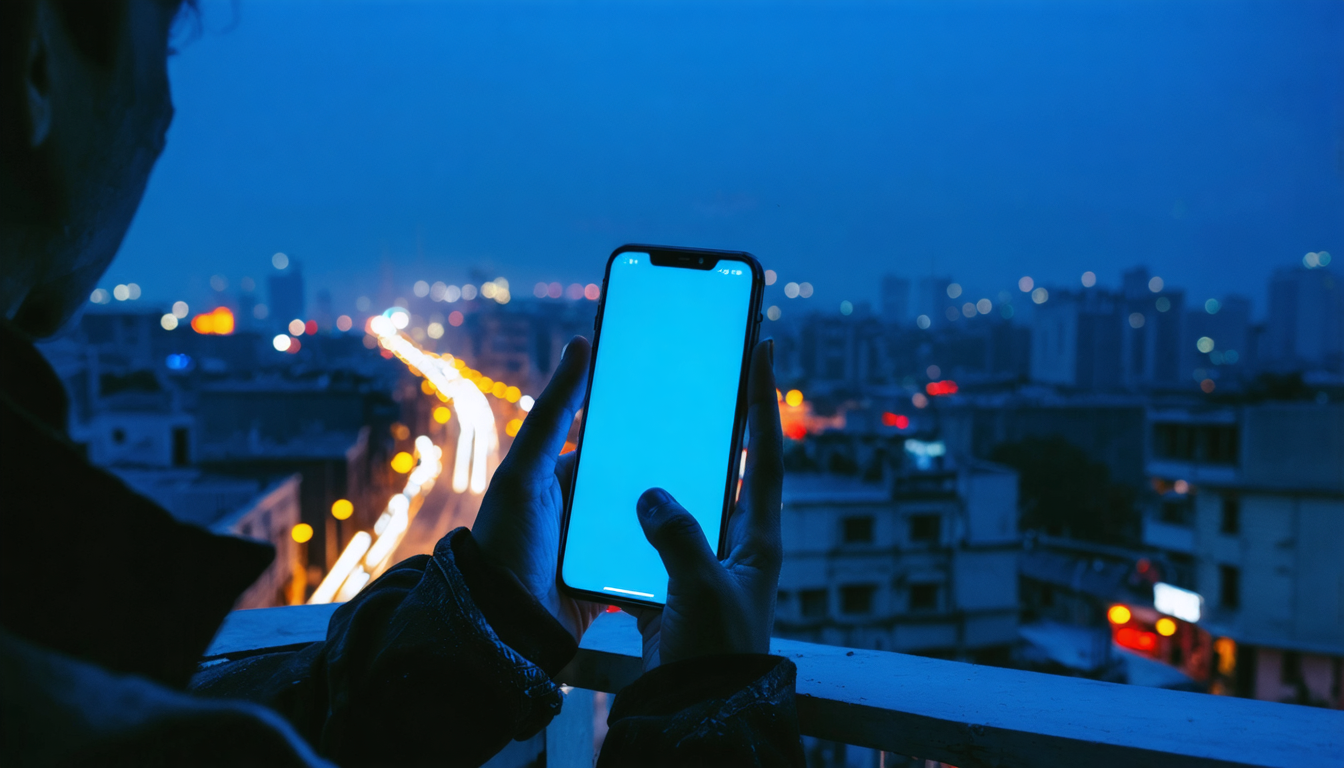
Staying Connected in Iran: Why Privacy Tools Matter
Internet access in Iran is increasingly restricted and monitored. A VPN encrypts your traffic and lets you reach blocked services—here's what you need to know.

Internet access in Iran has become fragmented and unpredictable. Major platforms and news outlets are regularly blocked, throttled during sensitive periods, or subject to sudden blackouts. On public Wi-Fi—in cafés, universities, or transit hubs—your traffic is visible to network operators and state monitoring systems. A VPN protects you by encrypting what you do online and masking your location, so you can browse privately and reach services that may be restricted where you are.
What Gets Blocked and Why
Iranian authorities block or throttle access to social media platforms, news sites, messaging apps, and VPN services themselves. These restrictions intensify during elections, protests, and other sensitive periods. Internet blackouts have lasted days or weeks. Even when the internet is nominally "on," many users report severe throttling that makes ordinary browsing difficult. The stated aim is often content control; the effect is that ordinary people lose access to global information, communication tools, and services they rely on.
The Risk on Public Networks
When you connect to public Wi-Fi without a VPN, your internet provider, network owner, and potentially state monitoring systems can see your browsing activity, DNS queries, and the sites you visit. This is especially risky in Iran, where internet surveillance is widespread and penalties for accessing certain content can be severe. A VPN encrypts all your traffic between your device and a secure server elsewhere, so no one on the local network—or monitoring your connection—can see what you're doing.
How a VPN Helps You Stay Connected
A VPN routes your traffic through an encrypted tunnel, making it appear as ordinary HTTPS to network monitors and DPI (deep packet inspection) systems. This helps you bypass throttling on restricted services and reach blocked platforms. Because your real IP address is hidden, you can access content and services as if you were connecting from elsewhere. Crucially, a VPN keeps no activity logs—no browsing history, no DNS queries, no traffic content—so there is no record of what you accessed, even if your device is seized or inspected.
Doft VPN: Free, Private, and Fast
Doft VPN is free on every server location, with no ads and no hidden charges. It uses modern VLESS + Reality encryption, which looks like ordinary HTTPS traffic to DPI systems, making it harder to detect or block than older VPN protocols. Every connection is encrypted end-to-end, and Doft keeps no activity logs—no browsing history, no DNS queries, no traffic content. It connects in one tap from your home screen, so staying private is as simple as opening the app. If you need higher speeds or a larger data allowance, Premium is available; the free tier works for everyday use.
The Takeaway
Internet freedom in Iran is fragile. A VPN is a practical tool to reclaim privacy on public networks, reach blocked services, and protect yourself from monitoring. Doft VPN makes that protection free and simple—no subscription required to get started.
Source: news.google.com
Blocked where you are?
Doft VPN is free and opens access in one tap.