Staying Connected in Indonesia: Understanding Blocks, Throttling & Privacy
Indonesia's internet filtering system blocks thousands of sites yearly. Learn what gets restricted, why your data is at risk on public Wi-Fi, and how to stay private and connected.
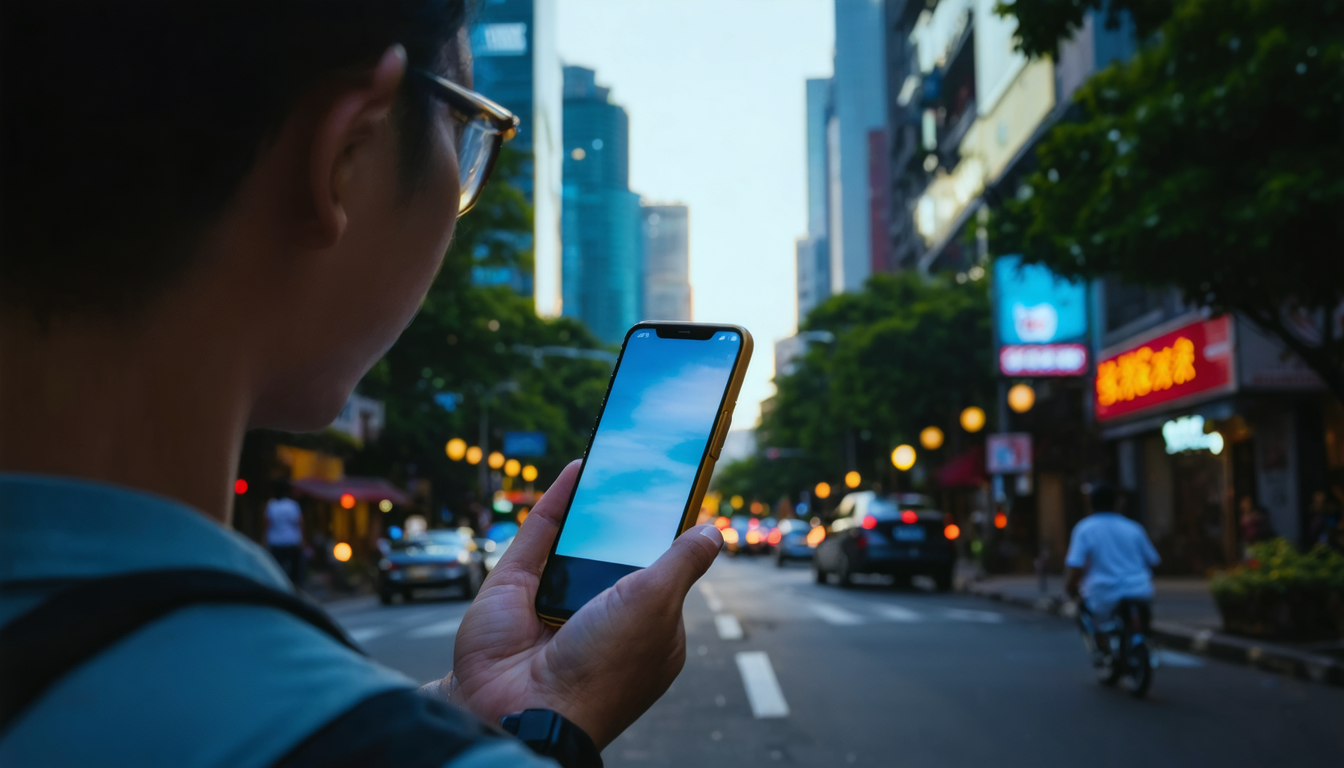
Indonesia's Ministry of Communication and Informatics (Kominfo) maintains one of the world's most active internet filtering systems, blocking sites deemed to contain "negative content"—from gambling and adult material to political speech and social platforms. Reddit, X (formerly Twitter), and search engines like DuckDuckGo have all faced blocks. While some restrictions are lifted over time, the filtering remains unpredictable, and ordinary users often find themselves unable to reach legitimate services without explanation.
Beyond blocking, Indonesian internet users face real privacy and security risks. Public Wi-Fi networks—in cafes, malls, and transport hubs across Jakarta, Surabaya, and other cities—are rarely encrypted. Anyone on the same network can intercept unprotected traffic, stealing passwords, banking credentials, or personal messages. ISP-level monitoring is also routine; your browsing activity can be logged and scrutinized, especially if flagged as accessing restricted content.
What Gets Blocked and Why
Kominfo's filtering targets gambling, adult content, and sites deemed to spread "hoaxes" or "hate speech." The criteria are broad and sometimes inconsistent. Social media platforms, news sites, and communication tools occasionally get caught in sweeps. Users trying to access blocked content—or simply wanting to use a global service reliably—often face dead ends or slow, unstable connections as their traffic is rerouted through filtering infrastructure.
The Public Wi-Fi Problem
When you connect to public Wi-Fi without encryption, your data travels in the clear. An attacker nearby can see your login credentials, financial transactions, or private messages. This risk is especially high in Indonesia's busy urban centers, where public networks are common and often poorly secured. Even on home networks, ISPs can monitor which sites you visit and log your activity.
How a VPN Helps
A VPN encrypts all your traffic, making it unreadable to ISPs, network administrators, and attackers on public Wi-Fi. It also routes your connection through a server outside Indonesia, allowing you to reach blocked sites and bypass filtering. Your real IP address is hidden, and your browsing remains private—even on open networks.
Doft VPN makes this protection free and simple. Every server location is available without paying (premium adds 10x speed and raises the data allowance). It uses VLESS + Reality encryption, which disguises your VPN traffic as ordinary HTTPS, making it much harder for filtering systems to detect or block. It keeps no logs of your activity, and it connects in one tap—no complex setup needed.
A Practical Step Forward
Internet restrictions and privacy risks are real in Indonesia, but they're not inevitable. Using a VPN gives you the privacy, security, and access you need to stay connected on your own terms. Doft VPN does this at no cost, with modern encryption that works reliably even where filtering is active. Download it free on Android or iOS today.
Source: news.google.com
Blocked where you are?
Doft VPN is free and opens access in one tap.