
Turkey's Expanding Internet Blocks: A User's Guide for 2026
BTK's content restrictions have intensified in 2026, targeting union sites, LGBTI+ accounts, and journalists. Here's what Turkish internet users need to know.
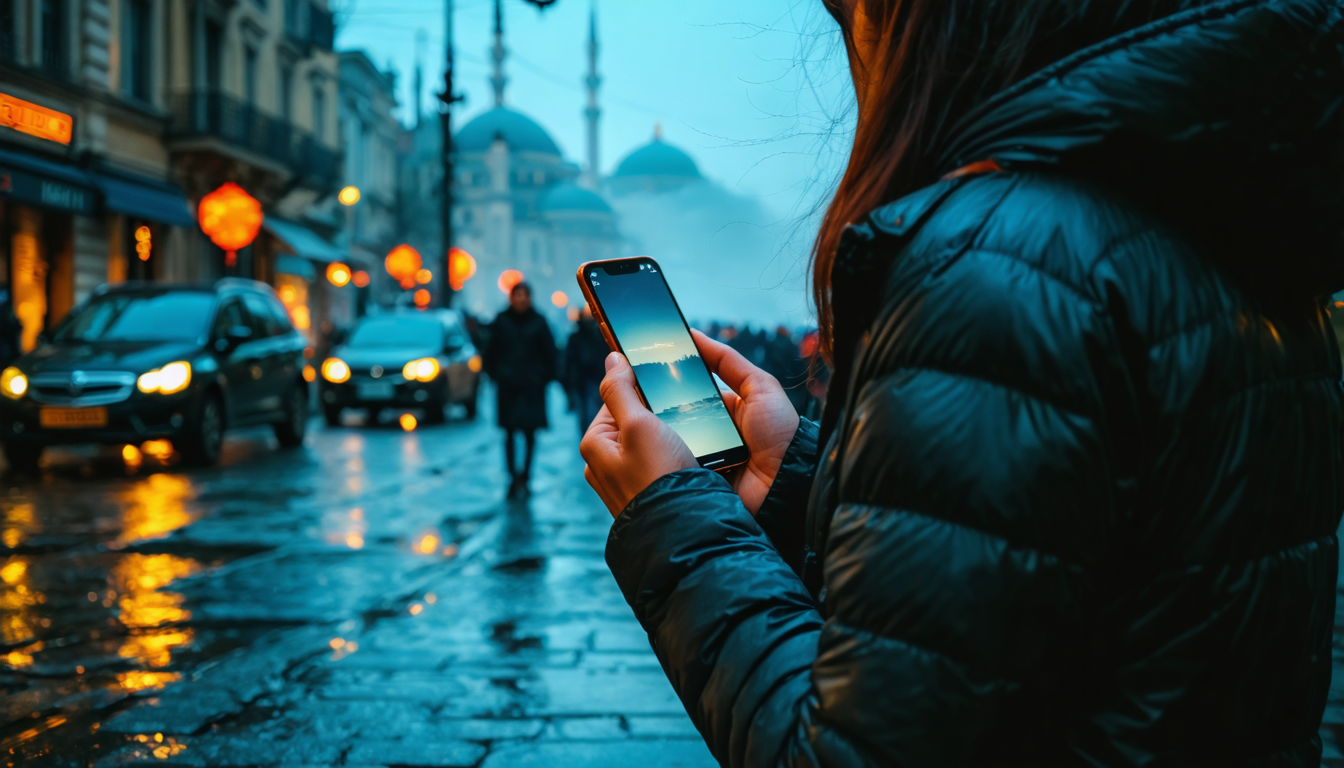
Turkey's internet is shaped by one of the broadest content-blocking regimes in Europe. The BTK (Bilgi Teknolojileri ve İletişim Kurumu), the country's telecommunications authority, can order websites and individual social media accounts restricted within hours — and criminal courts can layer their own orders on top. In the past week, dozens of X accounts have been blocked, covering labor unions, LGBTI+ organizations, opposition politicians, and journalists — many of them restricted ahead of the NATO summit in a pattern observers describe as selective silencing of dissent.
How BTK Blocks Work
Under Law No. 5651, BTK can restrict content deemed a threat to national security or public order without waiting for a formal court ruling. Sulh Ceza (criminal court) orders can follow separately — both mechanisms have been used simultaneously in recent days. A site that was reachable in the morning can be unreachable by the afternoon. Turkey has blocked or throttled X (Twitter) multiple times since 2014, and Wikipedia was inaccessible for nearly three years. The current wave of account-level blocks shows that restrictions are becoming more targeted and faster-moving.
What Gets Restricted
The list is wider than most users expect. Beyond high-profile incidents, Turkey regularly restricts access to certain news portals, streaming services that haven't complied with local licensing rules, and platforms that haven't appointed a local legal representative. VPN traffic itself can be throttled: carriers use Deep Packet Inspection (DPI) to identify standard VPN protocols — particularly during sensitive political moments — and slow them significantly. Services that worked fine last month can become intermittent without warning.
Why Public Wi-Fi Adds Risk
On open networks — cafes, airports, metro stations, hotel lobbies — your traffic is unencrypted until it leaves your device and reaches a secure server. Anyone on the same network can potentially capture login credentials, session cookies, or browsing activity. Turkey's major cities have extensive public Wi-Fi infrastructure, which is genuinely useful but increases your exposure. A VPN wraps all outgoing traffic in encryption before it leaves your device, regardless of which network you're on.
How a VPN Helps
A VPN routes your connection through a server in another country, which means content blocked at the ISP level in Turkey becomes reachable again. More importantly, a VPN using a modern stealth protocol can resist DPI-based throttling. VLESS + Reality, for example, disguises VPN traffic as ordinary HTTPS, making it very difficult for network filters to detect and degrade — a meaningful advantage in Turkey, where standard OpenVPN or WireGuard connections can be slowed during periods of heightened restriction.
Doft VPN uses VLESS + Reality and connects in a single tap with no account setup required. Every server location is available on the free tier — no paywalled countries, just a daily data allowance. A premium upgrade adds significantly faster speeds and raises the data allowance, but for everyday private browsing and reaching blocked services, the free version covers the basics. Doft keeps no logs of your activity, so there is no browsing history to hand over even if asked.
Turkey's internet feels less open than it did a few years ago because the restrictions are genuinely expanding. A VPN won't change the legal landscape, but it gives you a stable, encrypted connection to navigate it on your own terms.
Source: news.google.com
Blocked where you are?
Doft VPN is free and opens access in one tap.