
Staying Connected in Turkey: VPNs, Access, and Your Privacy
Social media restrictions, public Wi-Fi risks, and throttling are common in Turkey. Here's what you need to know about protecting your access and privacy.
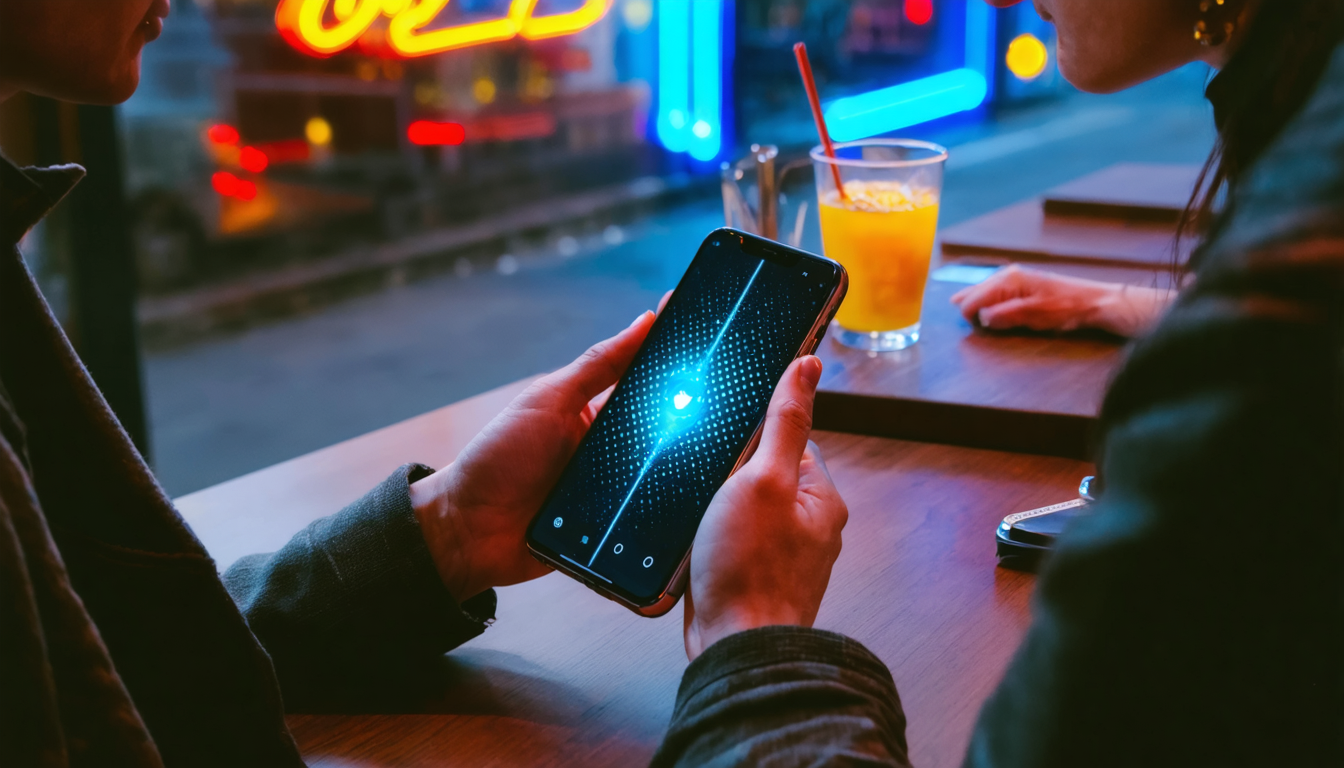
Turkey has seen a sharp rise in site and account restrictions over the past year. TikTok, X (formerly Twitter), and Instagram accounts have faced blocking or removal, and reports suggest further platforms may become inaccessible. At the same time, public Wi-Fi networks—in cafes, airports, and transit hubs across Istanbul, Ankara, and beyond—remain largely unencrypted, leaving your browsing activity, passwords, and personal data exposed to anyone on the same network.
What's Actually at Risk
When you connect to public Wi-Fi without protection, your internet service provider (ISP), network operators, and anyone intercepting traffic can see which sites you visit, what you search for, and which apps you use. This is especially risky when accessing email, banking, or messaging apps. Throttling—deliberate slowing of certain services—also affects access to global news sites and video platforms, often without clear notice.
Beyond public networks, your home connection can also be monitored. In Turkey's regulatory environment, where the BTK (Information and Communication Technologies Authority) oversees telecommunications and content restrictions, understanding what data you control matters. Many users simply want reliable access to services used by friends and family abroad, or to read international news without interruption.
How a VPN Helps
A VPN (Virtual Private Network) encrypts all traffic leaving your device, so your ISP, network operator, and anyone on the same Wi-Fi cannot see which sites you visit or what you do online. Your real IP address is hidden behind the VPN server's address, adding a layer of anonymity. This is especially useful on public Wi-Fi, where encryption makes eavesdropping far harder.
VPNs also help you reach services reliably by routing your connection through a server outside Turkey, bypassing local throttling and access restrictions. If a site or app is blocked in your country, a VPN can restore access by making it appear you are connecting from elsewhere.
Privacy and Encryption Matter
Not all VPNs are equal. Some log your browsing history, DNS queries, or traffic content—defeating the privacy benefit. The best VPNs keep no activity logs, meaning no record of where you go online or what you do. They also use modern encryption that resists deep packet inspection (DPI)—the technique used to identify and block VPN traffic itself.
Doft VPN: Free, Private, Fast
Doft VPN is a free privacy VPN for Android and iOS that works in Turkey and worldwide. Every server location is free to use, with no ads and no activity logs—no browsing history, no DNS queries, no traffic content. It uses VLESS + Reality encryption, which looks like ordinary HTTPS traffic and is harder for DPI systems to detect and block.
Connecting takes one tap. If you need faster speeds or a larger monthly data allowance, Premium upgrades are available, but the free tier works reliably for everyday use: checking email on public Wi-Fi, accessing blocked sites, or browsing privately without your activity being logged.
Stay connected, stay private, and keep control of your data—regardless of where you are or what network you're on.
Source: news.google.com
Blocked where you are?
Doft VPN is free and opens access in one tap.