Staying Private and Connected in Thailand: What You Should Know
Thailand blocks certain content and monitors public networks. Learn what's at risk, why it happens, and how to protect your privacy and access while online.
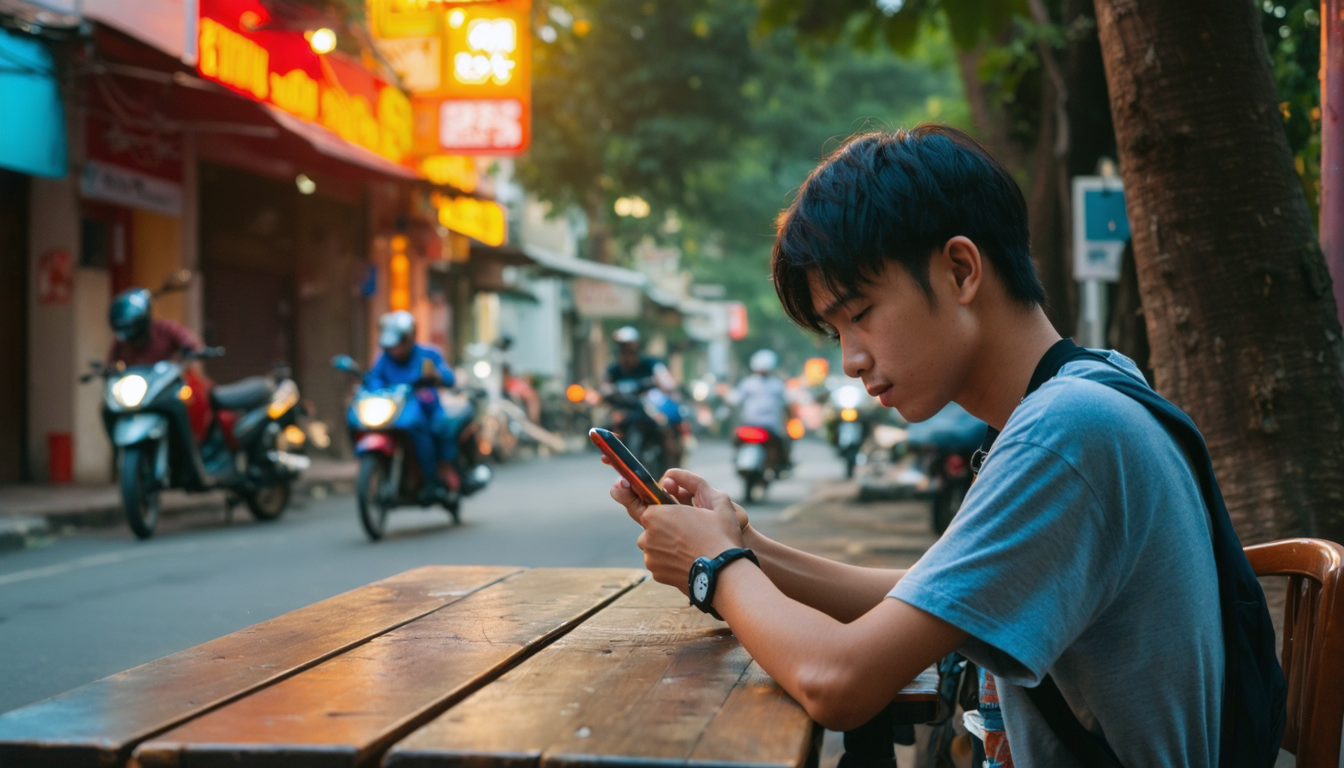
Internet access in Thailand is generally open, but censorship does occur—particularly around political content, gambling sites, and material deemed sensitive by regulators. Public Wi-Fi networks, common in Bangkok's cafes and shopping centres, pose real privacy risks: your unencrypted traffic can be intercepted, and your browsing activity may be logged by network operators or third parties. Understanding these risks and how to protect yourself is essential for anyone who values privacy and reliable access.
What Gets Blocked and Why
Thailand's approach to internet regulation centres on content deemed harmful to national security, the monarchy, or public morality. Gambling websites, certain political forums, and adult content are frequently inaccessible. While these blocks are often geographically targeted, they can affect both local and international users. Beyond formal censorship, throttling—intentional slowdown of certain traffic types—can degrade your experience on streaming, messaging, or file-sharing services during peak hours or on certain networks.
Public Wi-Fi: A Privacy Blind Spot
When you connect to an open Wi-Fi network at a cafe, hotel, or airport, your data travels unencrypted by default. Anyone on the same network can potentially see your login credentials, messages, and browsing activity. Even password-protected networks offer limited protection if the password is shared widely. Your Internet Service Provider and network administrators can also log your activity. For business users, tourists, and anyone handling sensitive information, this exposure is a genuine concern.
How a VPN Protects You
A VPN encrypts all your traffic before it leaves your device, making it unreadable to network operators, ISPs, and eavesdroppers on public Wi-Fi. Your real IP address and location are masked, so websites see only the VPN server's address. This means your browsing activity—what sites you visit, what you search for—remains private. A VPN also lets you reach global services reliably, regardless of local restrictions or throttling, by routing your connection through servers worldwide.
Crucially, your VPN provider itself should not log your activity. The difference between privacy in transit (encrypted) and privacy at rest (not recorded) matters: a VPN that logs everything you do is less useful than one that doesn't.
Doft VPN: Free Privacy, One Tap
Doft VPN is free on every server location and uses modern VLESS + Reality encryption—a protocol that disguises your VPN traffic as ordinary HTTPS, making it harder to detect or block. It keeps no activity logs—no browsing history, no DNS queries, no traffic content—so your privacy is protected end-to-end. Connection is one tap: open the app, pick a server, and you're secure.
Premium upgrades offer up to 10x faster speeds and a much larger monthly data allowance if you need them, but the free tier works well for everyday privacy and access on public networks.
The Takeaway
Online privacy in Thailand requires active steps. Public Wi-Fi is convenient but risky; censorship and throttling are real obstacles. A VPN gives you control: encrypt your traffic, mask your location, and stay connected to the global internet reliably. Doft VPN makes this free and simple—no signup friction, no ads, no activity logs. Download it, connect, and browse with confidence.
Source: news.google.com
Blocked where you are?
Doft VPN is free and opens access in one tap.