
Staying Private and Connected in Thailand: A Guide to Safe Browsing
Thailand's internet landscape includes content restrictions and public Wi-Fi risks. Learn what's restricted, why, and how encryption and VPNs help you stay secure and access global services reliably.
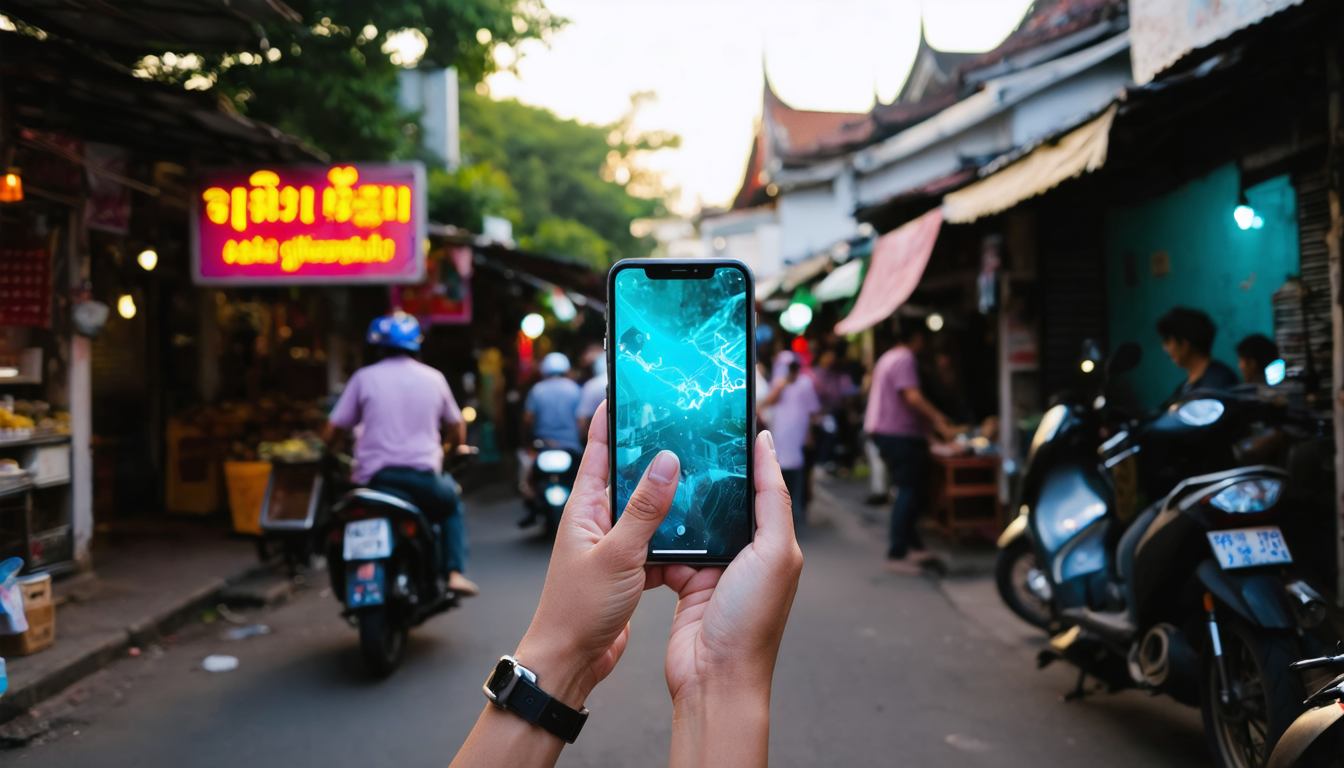
Thailand's internet is generally open, but users face real challenges: certain content is restricted under Computer Crime Act provisions, public Wi-Fi networks are common targets for data theft, and throttling can affect streaming and international services. Understanding these risks and taking practical steps to protect yourself makes everyday browsing safer and more reliable.
What Gets Restricted in Thailand
Thailand blocks content deemed to violate the Computer Crime Act, particularly material critical of the monarchy, national security, or religious institutions. Major social media and news platforms are occasionally throttled or temporarily restricted during sensitive periods. While everyday browsing is largely unrestricted, users accessing content on these topics—or those relying on international services—may experience slowdowns or access issues. VPNs bypass these restrictions by routing your traffic through encrypted tunnels, letting you reach global news, services, and platforms reliably.
Public Wi-Fi: A Hidden Risk
Cafes, malls, and hotels across Bangkok and other cities offer free Wi-Fi, but unencrypted networks are vulnerable. Attackers on the same network can intercept passwords, banking details, and messages. Even encrypted HTTPS traffic can leak metadata—which sites you visit, how long you stay, and your approximate location. A VPN encrypts all traffic leaving your device before it touches the public network, hiding both content and metadata from snoops. This is especially important when checking email, accessing bank accounts, or using messaging apps in crowded spaces.
Throttling and Reliability
International streaming, video calls, and cloud services sometimes experience slowdowns, particularly during peak hours or when traffic is heavy. ISPs may also deprioritize certain services. A VPN can help by masking your traffic type, making it harder to throttle selectively, and sometimes routing you through faster international paths. For users relying on global apps—from work collaboration tools to international news—this means more consistent, predictable speeds.
Staying Private: What You Need
Your ISP and network administrators can see which sites you visit and how much data you use, even if they can't read the content. A VPN encrypts this information, hiding your browsing activity from your ISP, your network, and anyone monitoring the connection. This is crucial when using public networks, but equally valuable at home or work if you value your privacy.
How Doft VPN Helps
Doft VPN uses VLESS + Reality encryption, which disguises your VPN traffic as ordinary HTTPS—making it invisible to network filters and DPI (Deep Packet Inspection) tools. It keeps no activity logs—no browsing history, no DNS queries, no traffic content—so your activity remains private even from Doft. Every server location is free to use, with one-tap connection, and Premium upgrades offer up to 10x faster speeds and a much larger monthly data allowance if you need it.
The Takeaway
Online privacy and access in Thailand are achievable with the right tools. Whether you're on public Wi-Fi, accessing restricted content, or simply wanting to keep your browsing private, encryption and a reliable VPN are practical, everyday protections. Doft VPN makes this free and simple—download it, connect in one tap, and browse with confidence.
Source: news.google.com
Blocked where you are?
Doft VPN is free and opens access in one tap.