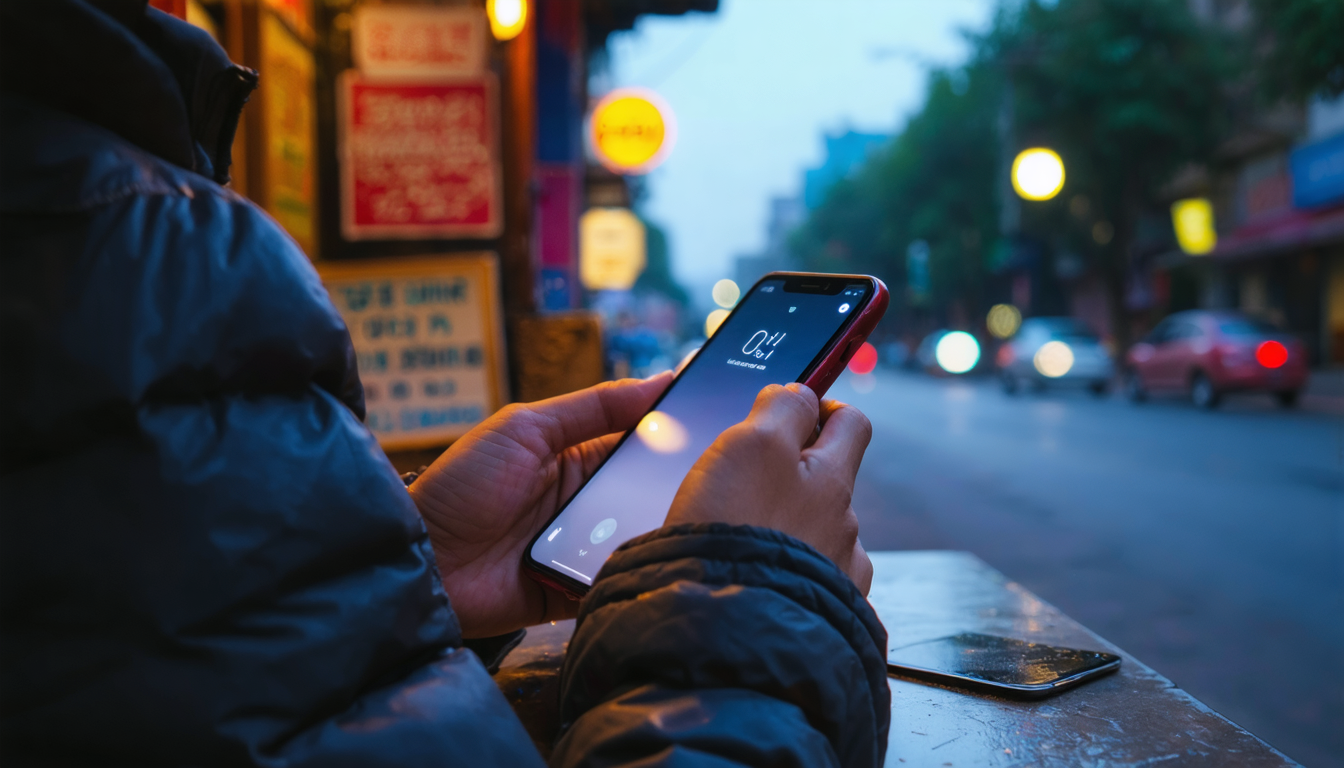
Stay Private on Thai Public Wi-Fi: Why a VPN Matters
Public Wi-Fi in Thailand is convenient but risky. Learn what threats exist, why some sites throttle, and how a VPN keeps you secure and connected.

Thailand's public Wi-Fi networks—in cafes, malls, airports, and hotels—are ubiquitous and free, but they come with real privacy and security risks. Understanding these risks and how to protect yourself is essential for anyone working, banking, or browsing online in Thailand.
Public Wi-Fi: Why It's Risky
When you connect to an open Wi-Fi network without encryption, anyone else on that network can potentially intercept your traffic. This means unencrypted passwords, banking details, messages, and browsing activity can be captured by others using simple, publicly available tools. Even if a network requires a password, if that password is shared (as it often is in cafes), the connection between your device and the router is still visible to other users. Attackers can also set up fake "evil twin" networks with names similar to legitimate ones—"CoffeeShop_Free" or "Airport_WiFi"—to trick users into connecting directly to their device. On these fake networks, all your traffic flows through the attacker's machine.
Throttling and Access Limits
Some internet service providers and network operators in Thailand may throttle or restrict access to certain services during peak hours or based on content type. Video streaming, VoIP, and international services sometimes experience reduced speeds or intermittent blocking. This can make legitimate work or communication frustrating and unpredictable. A VPN encrypts your traffic so that your ISP or network operator cannot see what service you are using, preventing targeted throttling and ensuring more consistent speeds for the services you rely on.
How a VPN Protects You
A VPN (Virtual Private Network) encrypts all traffic leaving your device before it reaches the public Wi-Fi router. This means anyone monitoring the network—other users, the cafe owner, or an attacker on a fake network—sees only encrypted data, not your passwords, messages, or browsing history. Your real IP address is also hidden, replaced by the VPN server's address, so your online activity cannot be easily linked to your device or location. On untrusted networks, this layer of encryption is the difference between your sensitive information being exposed and staying private.
One-Tap Privacy with Doft VPN
Doft VPN makes staying secure on public Wi-Fi simple and free. Every server location is available at no cost, with modern VLESS + Reality encryption that disguises your VPN traffic as ordinary HTTPS—so network operators cannot easily detect or block it. Doft VPN keeps no activity logs—no browsing history, no DNS queries, no traffic content—meaning your privacy is protected even from Doft itself. The app connects in one tap, so you can secure your connection the moment you join a Thai cafe or airport network. If you need faster speeds or a larger daily data allowance, Premium is available, but the free tier covers everyday browsing and messaging on public networks.
Stay Connected, Stay Private
Public Wi-Fi in Thailand is convenient, but convenience should not come at the cost of your privacy. Using a VPN on every public network—whether you are working, banking, or simply browsing—is a practical habit that keeps your data secure and your connection reliable. Doft VPN makes that protection free and frictionless.
Blocked where you are?
Doft VPN is free and opens access in one tap.