
Staying Private and Connected in Saudi Arabia: A Guide to VPN Use
Internet access in Saudi Arabia is monitored and filtered. Learn what's commonly restricted, why your privacy matters on public networks, and how a VPN helps you stay secure.
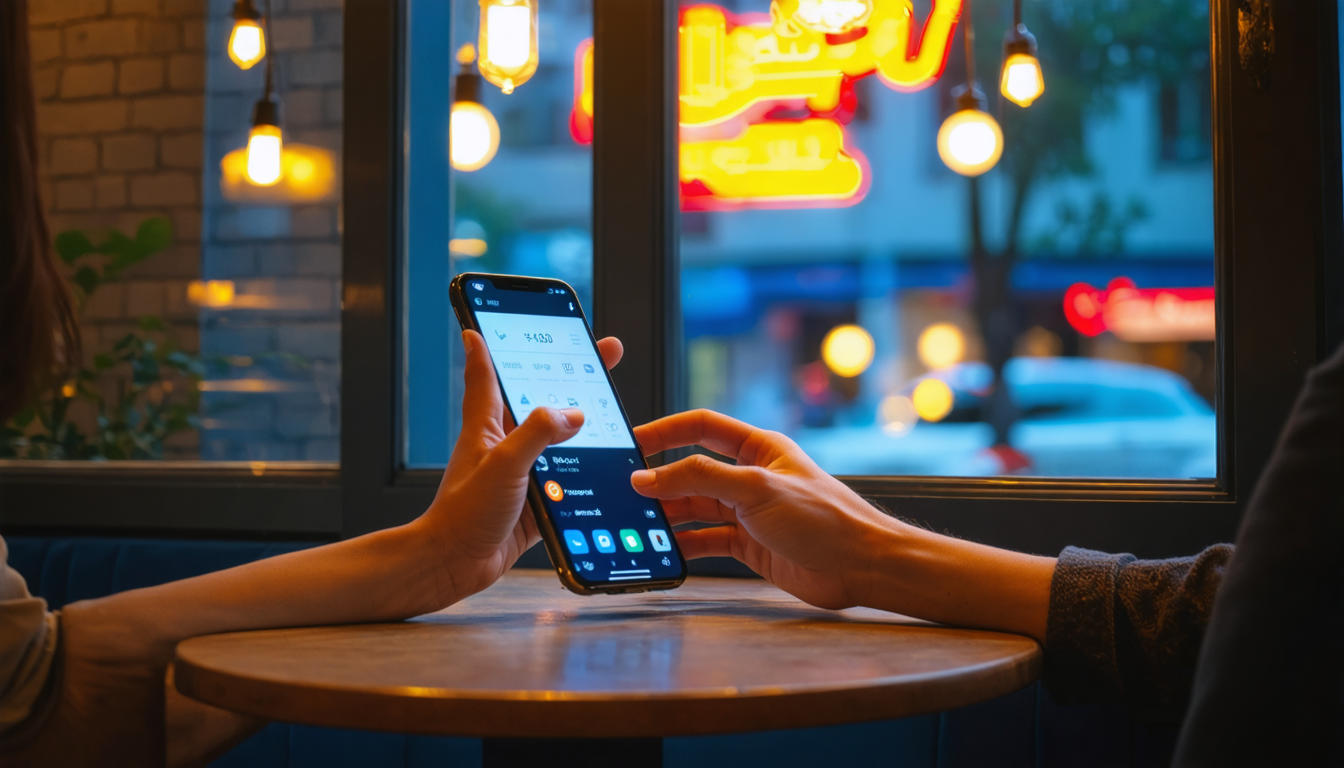
Internet use in Saudi Arabia is subject to content filtering and monitoring by national authorities. Certain categories of websites and services—including those related to LGBTIQ+ content, political criticism, and some social media platforms—are routinely blocked or throttled. Public Wi-Fi networks, from cafés to hotels, add another layer of risk: your unencrypted traffic can be intercepted by anyone on the same network. Understanding these realities and taking practical steps to protect yourself is essential for anyone who wants to stay private and connected.
What Gets Restricted and Why It Matters
Saudi Arabia enforces content filtering through national infrastructure, blocking access to websites deemed to violate local laws or social norms. LGBTIQ+ websites, certain news outlets, and platforms that host political content critical of the government are commonly inaccessible. Streaming services may be throttled or regionally restricted. These restrictions affect not just activism—they limit ordinary users' access to global information, services, and communities. If you travel, work remotely, or simply want to use international apps and websites reliably, these barriers create friction in your daily digital life.
Public Wi-Fi: A Privacy and Security Risk
When you connect to public Wi-Fi—in a coffee shop, airport, or hotel—your internet traffic is visible to anyone else on that network unless it's encrypted. Attackers can intercept passwords, messages, banking details, and browsing activity. Even if you trust the venue, you have no control over who else is connected. A VPN encrypts all your traffic end-to-end, making it unreadable to others on the network and hiding your activity from the Wi-Fi provider itself. This is especially important if you handle sensitive work, access financial accounts, or simply want privacy while browsing.
How a VPN Helps You Stay Secure and Connected
A VPN works by routing your traffic through an encrypted tunnel to a remote server, then onward to the wider internet. From the perspective of local networks and your internet service provider, your activity is hidden. From the perspective of the websites you visit, your request appears to come from the VPN server's location, not your own. This serves two purposes: it protects your privacy on public networks and helps you reach services that may be regionally restricted or throttled in Saudi Arabia. Modern VPN protocols like VLESS with Reality encryption are designed to look like ordinary HTTPS traffic, making them harder to detect or block by deep packet inspection (DPI).
Doft VPN: Free Privacy, No Compromise
Doft VPN offers a practical, free way to encrypt your traffic and access global services. Every server location is free—no hidden paywalls or data caps on the free tier (though Premium does offer much higher speeds and a larger monthly data allowance if you need it). Doft uses VLESS + Reality encryption, which blends in with regular internet traffic and resists DPI-based blocking. Crucially, Doft keeps no activity logs—no browsing history, no DNS queries, no traffic content—so your privacy is protected even from Doft itself. The app connects in one tap, making privacy accessible rather than a technical chore. Whether you're on a café Wi-Fi, traveling, or simply want to browse without surveillance, Doft VPN is available free on Android and iOS.
Source: news.google.com
Blocked where you are?
Doft VPN is free and opens access in one tap.