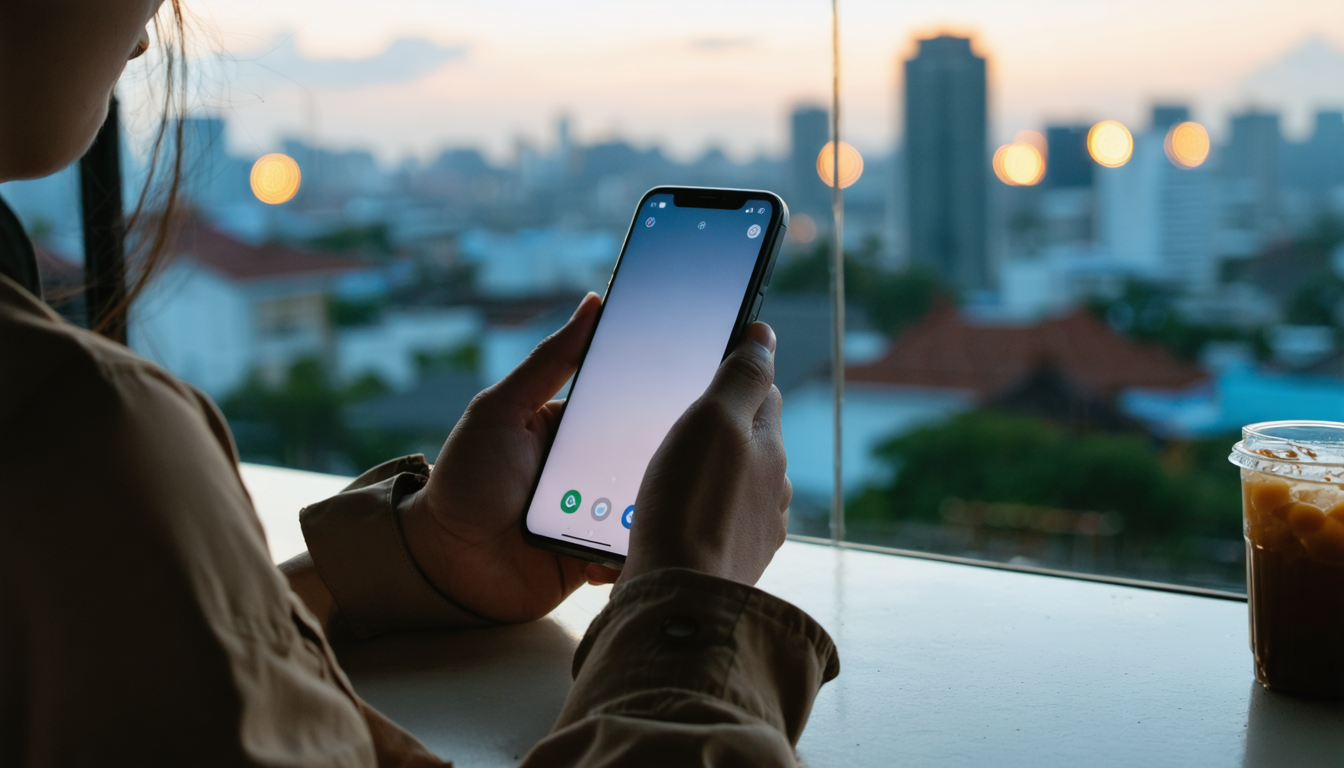
Staying Connected in Saudi Arabia: Privacy and Access Online
Many websites and services are restricted in Saudi Arabia, and public Wi-Fi puts your data at risk. A VPN encrypts your traffic and helps you reach global services securely.
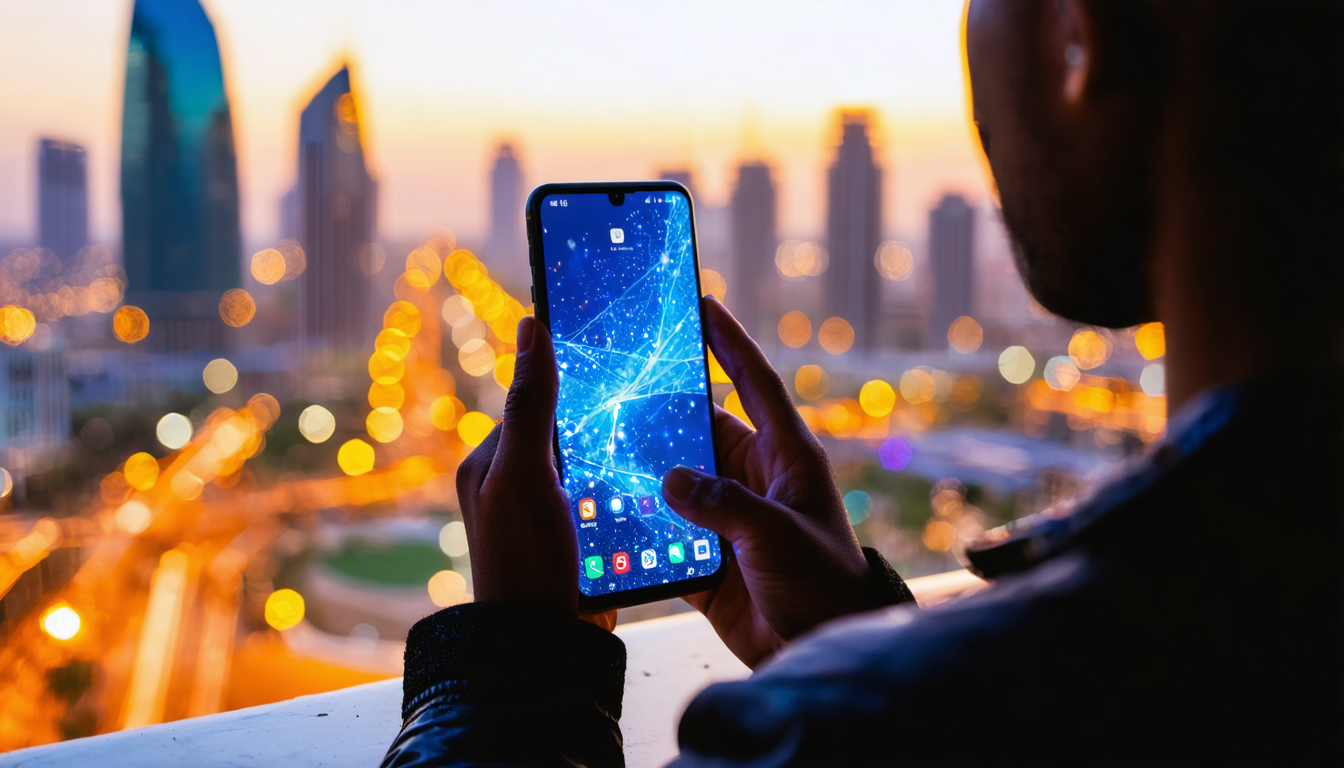
Internet access in Saudi Arabia is subject to content filtering by the Communications and Information Technology Commission (CITC). Many websites—including news outlets, social platforms, messaging apps, and services deemed to conflict with local law or values—are blocked or throttled. Public Wi-Fi networks in cafés, hotels, and airports are also common targets for interception. Understanding what is restricted and how to protect yourself is essential for anyone who relies on global connectivity.
What Is Restricted and Why
Saudi Arabia blocks or restricts access to a wide range of content, including certain news sites, LGBTIQ+ resources, gambling platforms, and VoIP services like WhatsApp calling (though the app itself is available). Some messaging and social platforms have also faced throttling or periodic blocking. These restrictions are enforced through deep packet inspection (DPI) and DNS filtering by the national internet infrastructure. While some restrictions have eased in recent years—such as the lifting of bans on certain calling apps—content filtering remains extensive and unpredictable for users.
Why Public Wi-Fi Is Risky
When you connect to public Wi-Fi without protection, your traffic is visible to the network operator, other users on the same network, and potentially to network monitors. Login credentials, emails, messages, and browsing activity can all be intercepted. Even encrypted services like banking apps can leak metadata—who you are talking to and when. On a public network in a café or airport, this exposure is real and immediate.
How a VPN Helps
A VPN encrypts all your traffic between your device and a remote server, making it unreadable to the network you are on. This protects your privacy on public Wi-Fi and prevents your ISP or network from seeing which websites you visit or which services you use. A VPN also masks your location and IP address, allowing you to reach services that may be geographically restricted or filtered locally. Because your traffic is encrypted end-to-end, DPI systems cannot easily identify or block what you are doing.
Doft VPN: Free, Fast, and Discreet
Doft VPN uses modern VLESS + Reality encryption, which is designed to blend in with ordinary HTTPS traffic and is harder for DPI systems to detect and block. It keeps no activity logs—no browsing history, no DNS queries, no traffic content—so your privacy is protected even from Doft itself. Every server location is free to use; Premium adds up to 10x the speed and a much larger monthly data allowance if you need it. The app connects in one tap, making it simple to secure your connection whenever you join a public network or want to reach a global service reliably.
Staying safe and connected online in Saudi Arabia means taking control of your privacy. A VPN is a practical, straightforward tool to do that.
Source: news.google.com
Blocked where you are?
Doft VPN is free and opens access in one tap.