
Staying Connected in Russia: VPN, App Store Access & Public Wi-Fi Safety
App Store outages, throttled services, and public Wi-Fi risks are common in Russia. A VPN encrypts your traffic, protects your privacy, and helps you reach global services reliably.
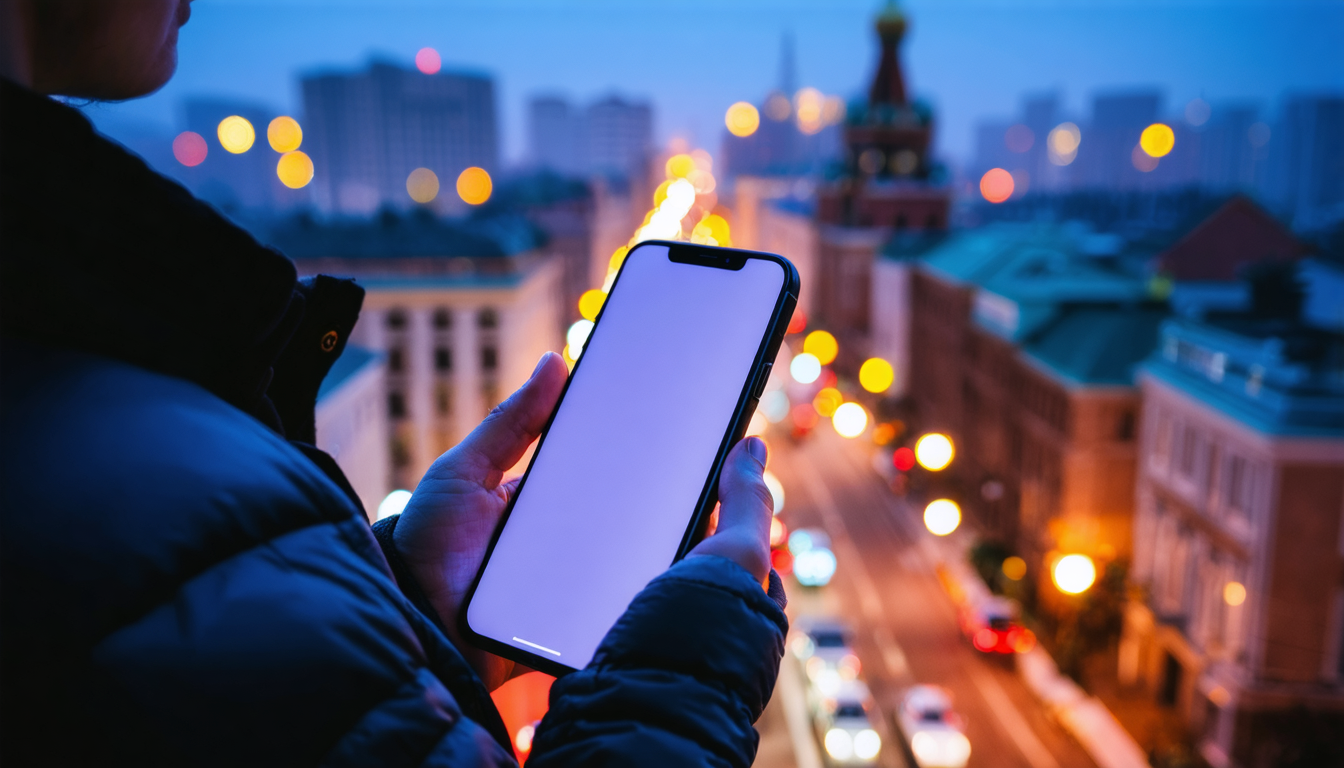
Internet access in Russia has become increasingly fragmented. Many users report that the App Store works inconsistently without a VPN, global news sites face periodic slowdowns, and public Wi-Fi networks—in cafes, airports, and offices—pose real privacy risks. Understanding what's happening and how to protect yourself is essential for staying connected and secure.
App Store, Global Services & Access
Recent weeks have seen widespread reports of App Store availability issues for Russian users without a VPN. Simultaneously, access to international news outlets, messaging platforms, and software repositories remains unpredictable. These aren't always outages; often they reflect routing changes, throttling, or selective blocking that varies by ISP and region. A VPN routes your traffic through an encrypted tunnel to a server outside Russia, making your requests appear to originate elsewhere. This allows you to reach services reliably and work around regional inconsistencies—whether you need the App Store, international news, or cloud tools for work.
Public Wi-Fi: Why Encryption Matters
Cafes, hotels, and public spaces across Russian cities offer free Wi-Fi, but these networks are inherently risky. Without encryption, anyone on the same network can intercept your passwords, banking details, messages, and browsing activity. A VPN encrypts all your traffic end-to-end, meaning even the Wi-Fi owner or a malicious user cannot see what you're doing. This is especially critical if you log into email, banking, or work accounts on public networks.
Privacy on Any Network
Beyond public Wi-Fi, your home ISP and mobile carrier can see which sites you visit and which services you use—they see the domain names in your DNS queries and the IP addresses you connect to. A VPN encrypts this metadata, preventing your ISP from building a profile of your online activity. It also means your browsing history, DNS queries, and traffic content remain private—visible only to you.
Modern Encryption That Works
Many VPN services have faced disruption in Russia in recent months due to detection and blocking. Doft VPN uses VLESS + Reality encryption, a modern protocol that disguises VPN traffic as ordinary HTTPS. To network monitoring tools, it looks like regular browsing, making it significantly harder to detect or block through deep packet inspection. Combined with Doft's stealth design, this approach has proven more resilient than traditional VPN protocols.
How Doft VPN Helps—for Free
Doft VPN is free on every server location, with no activity logs—no browsing history, no DNS queries, no traffic content. It connects in one tap and uses the VLESS + Reality encryption that beats DPI-based blocking. The free tier includes a daily data allowance and reasonable speed; if you need more, Premium offers up to 10x faster speeds and a much larger monthly allowance. Download Doft VPN on Android or iOS, tap connect, and stay private and connected.
Source: news.google.com
Blocked where you are?
Doft VPN is free and opens access in one tap.