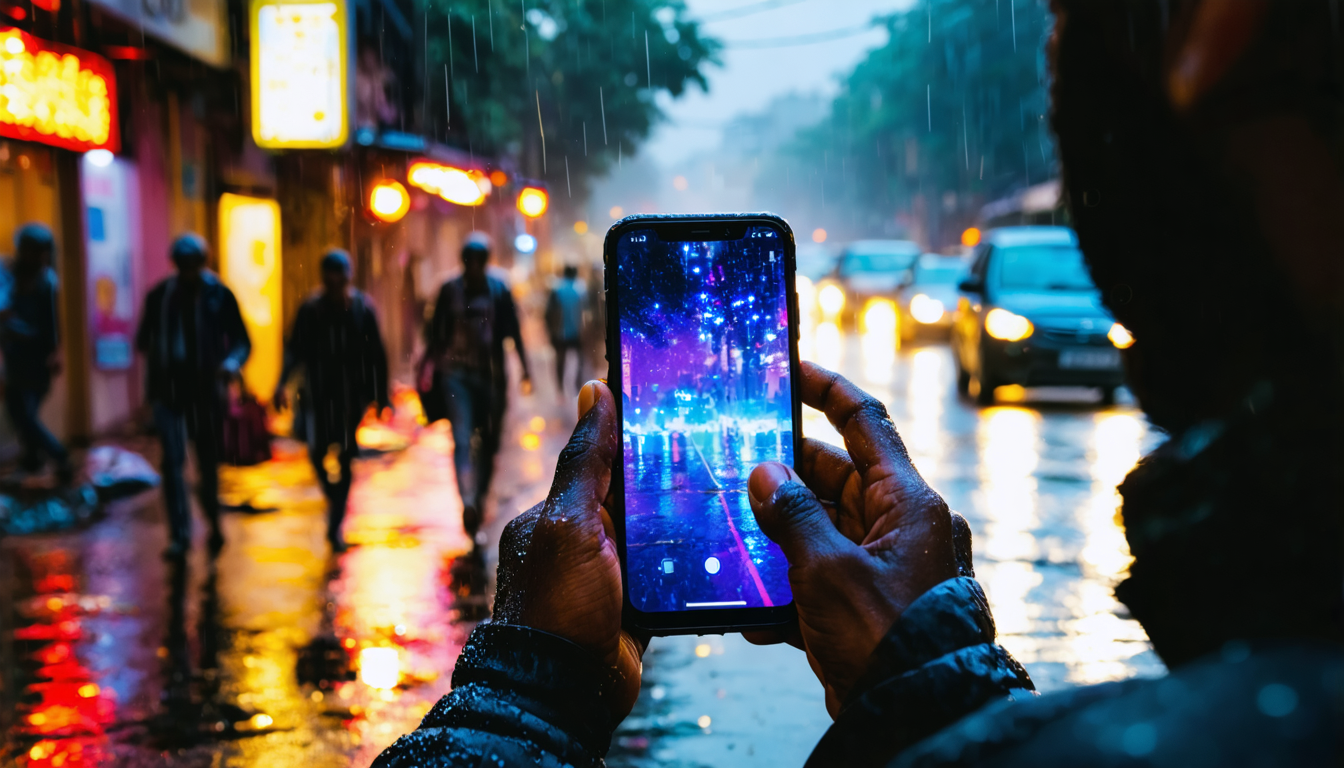
Staying Private Online in Iran: What You Need to Know
Iran's internet is heavily filtered and monitored. Here's what's restricted, why it matters, and how encryption and a VPN can help you stay secure and connected.
Iran's internet landscape has become increasingly fragmented. While some platforms like WhatsApp and Google Play have been restored, many others remain blocked or heavily throttled—and even accessible services are subject to deep packet inspection and monitoring. For anyone using public Wi-Fi, messaging apps, or trying to reach news and social media, understanding the risks and how to protect yourself is essential.
What's Restricted and Why It Matters
Iran's filtering system blocks access to a wide range of content: social media platforms (Instagram, X, Telegram), news outlets, VoIP services, and many international websites. This isn't random—it's enforced by state regulators through a combination of DNS blocking, IP filtering, and deep packet inspection (DPI). The goal is to control information flow and monitor online activity.
For ordinary users, this means that even when you're not doing anything illegal, your internet activity is visible to network operators and potentially logged. On public Wi-Fi in a café or office, every unencrypted message, search query, and website you visit can be intercepted. This is especially risky if you're accessing news, communicating with people abroad, or simply trying to use services that are blocked.
How Encryption Protects You
A VPN encrypts your traffic so that your internet service provider, network administrator, or anyone monitoring your connection cannot see what you're doing. Instead of your data flowing directly to websites and apps, it's routed through an encrypted tunnel to a VPN server elsewhere. From the network's perspective, your activity looks like ordinary encrypted HTTPS traffic—not something flagged as "VPN use" and potentially throttled or blocked.
This matters in Iran because DPI systems are designed to detect and block traditional VPN protocols. A VPN that uses modern encryption indistinguishable from regular web traffic—like VLESS + Reality—can slip past these filters. You stay connected without drawing attention.
Privacy Beyond Encryption
Encryption protects your data in transit, but privacy also means what's recorded about you. A VPN that keeps no activity logs—no browsing history, no DNS queries, no traffic content—means there's no record of what you accessed or who you communicated with, even if the VPN provider were compelled to hand over data.
Getting Started Without Barriers
Doft VPN is free on every server location, with no ads and one-tap connection. It uses VLESS + Reality encryption that looks like ordinary HTTPS, so it's harder to detect and block. Doft keeps no activity logs—no browsing history, no DNS queries, no traffic content—so your activity stays private. The free tier includes a daily data allowance and standard speed; if you need more, Premium offers up to 10x faster speeds and a much larger monthly allowance.
Staying secure and connected in a heavily filtered internet doesn't require complex setup. A reliable, fast VPN with genuine privacy protection is the foundation.
Source: news.google.com
Blocked where you are?
Doft VPN is free and opens access in one tap.