Staying Private on Indonesian Public Wi-Fi: Why VPNs Matter
Public Wi-Fi in Indonesia is convenient but risky. Learn what threats exist, why privacy matters, and how encryption protects your data on cafes and transit networks.
Indonesia's internet landscape has shifted significantly in recent years—Reddit's unblocking after 11 years shows that access restrictions do change—but users still face real privacy and security challenges, especially on public networks. Whether you're working from a Jakarta cafe, connecting at an airport, or using a mall's free Wi-Fi, understanding these risks and how to protect yourself is essential for staying secure and private online.
What's at Risk on Public Wi-Fi
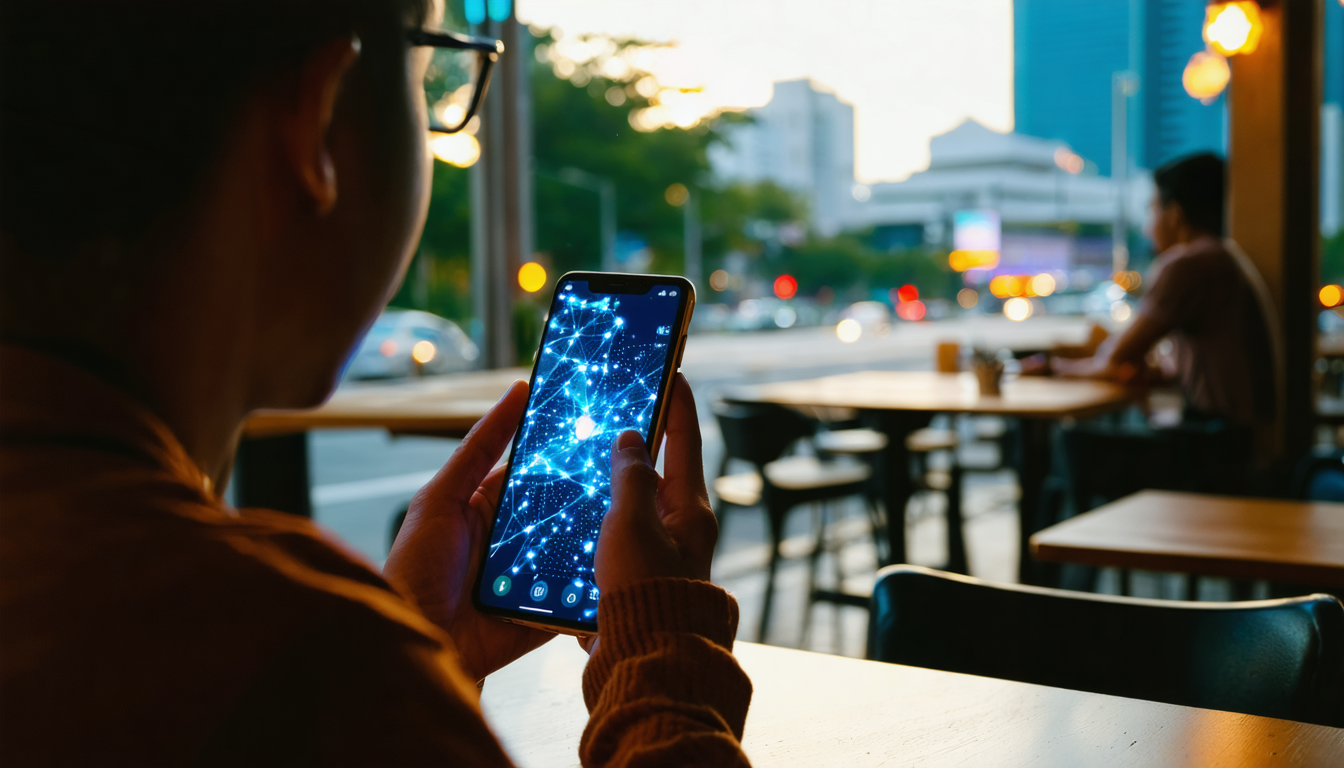
Public Wi-Fi networks in cafes, malls, hotels, and transport hubs are convenient but largely unencrypted. Anyone on the same network can potentially intercept unprotected traffic: login credentials, email, banking details, and personal messages sent over HTTP (not HTTPS) are visible to network sniffers. Even HTTPS traffic reveals which sites you visit through DNS queries—your internet provider, network owner, and others can see the domain names you access. On shared networks, this metadata is particularly exposed.
Additionally, public networks themselves may be monitored or logged by the venue operator or ISP. Indonesian ISPs and network administrators routinely collect connection data for compliance and billing purposes. Without encryption, your browsing patterns become a record that can be accessed, shared, or used to profile your interests and behavior.
How a VPN Protects You
A VPN encrypts all traffic between your device and a remote server, making it unreadable to anyone on the local network. Your ISP and the cafe's network owner see only that you're connected to a VPN server—not which sites you visit, what you search for, or what you send. This encryption works even on the most open, unprotected public Wi-Fi.
Beyond public networks, a VPN also masks your IP address and location, helping you maintain privacy from the websites you visit. If you're accessing services that may be geographically restricted or monitored, a VPN provides a layer of anonymity. For journalists, activists, researchers, and ordinary people who simply value privacy, this is important protection.
Choosing a VPN You Can Trust
Not all VPNs offer the same privacy. Look for a provider that keeps no activity logs—no browsing history, no DNS queries, no traffic content—so there is no record of what you do online, even if the VPN provider is pressured to hand over data. Modern encryption protocols like VLESS + Reality are harder to detect and block than older VPN technology, which matters in regions where VPN use is monitored or restricted.
Doft VPN offers exactly this: it's free on every server location, uses VLESS + Reality encryption that blends in as ordinary HTTPS traffic, and keeps no activity logs—no browsing history, no DNS queries, no traffic content. It connects in one tap, so you're protected instantly on any public network. If you need faster speeds or a higher daily data allowance, Premium is available, but the free tier covers everyday privacy on public Wi-Fi.
The Bottom Line
Public Wi-Fi is part of modern life in Indonesia, but it doesn't have to be a privacy risk. Encrypting your connection with a VPN is a simple, practical step that keeps your data private from network snoopers, your ISP, and websites tracking your behavior. Start protecting yourself today—it takes one tap.
Source: news.google.com
Blocked where you are?
Doft VPN is free and opens access in one tap.