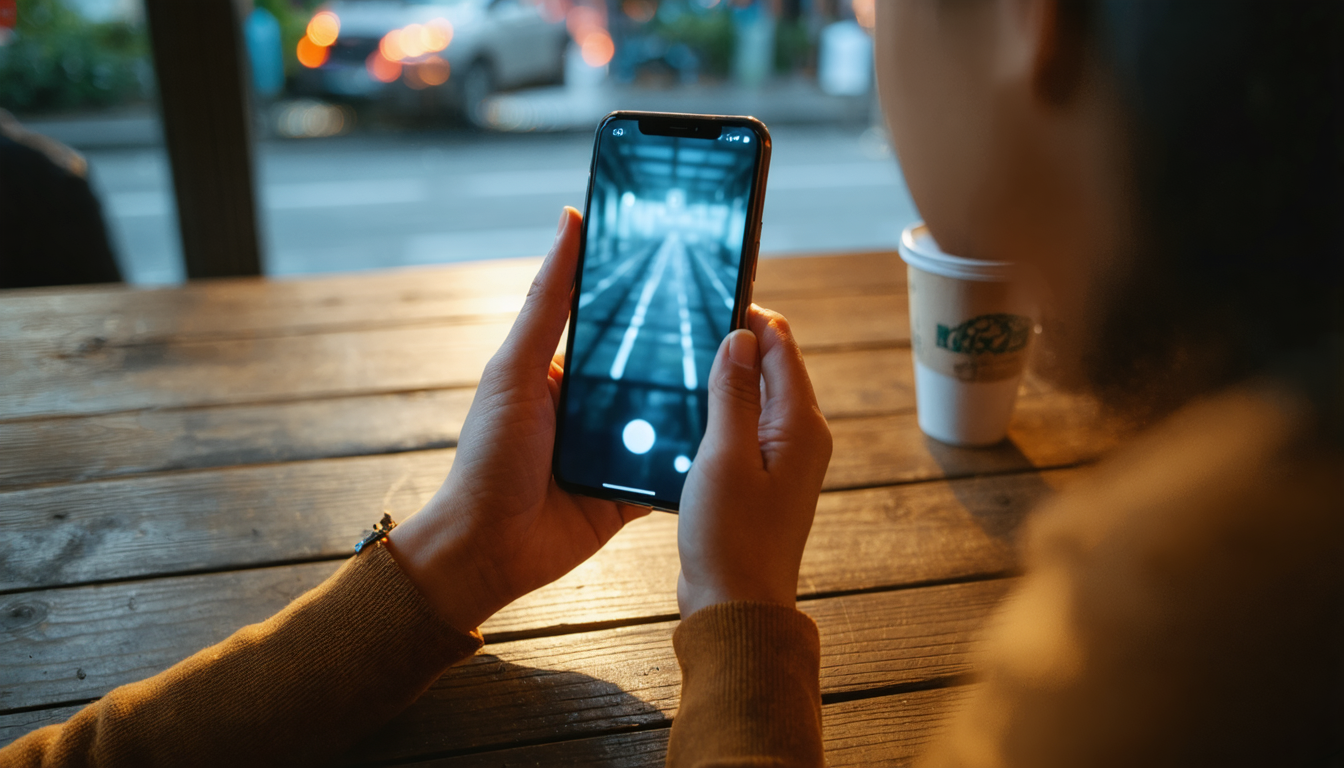
Staying Private on Indonesia's Public Wi-Fi: What You Need to Know
Indonesia's internet landscape includes content filtering and public networks with real security gaps. Learn what's at risk when you connect, and how to protect yourself.
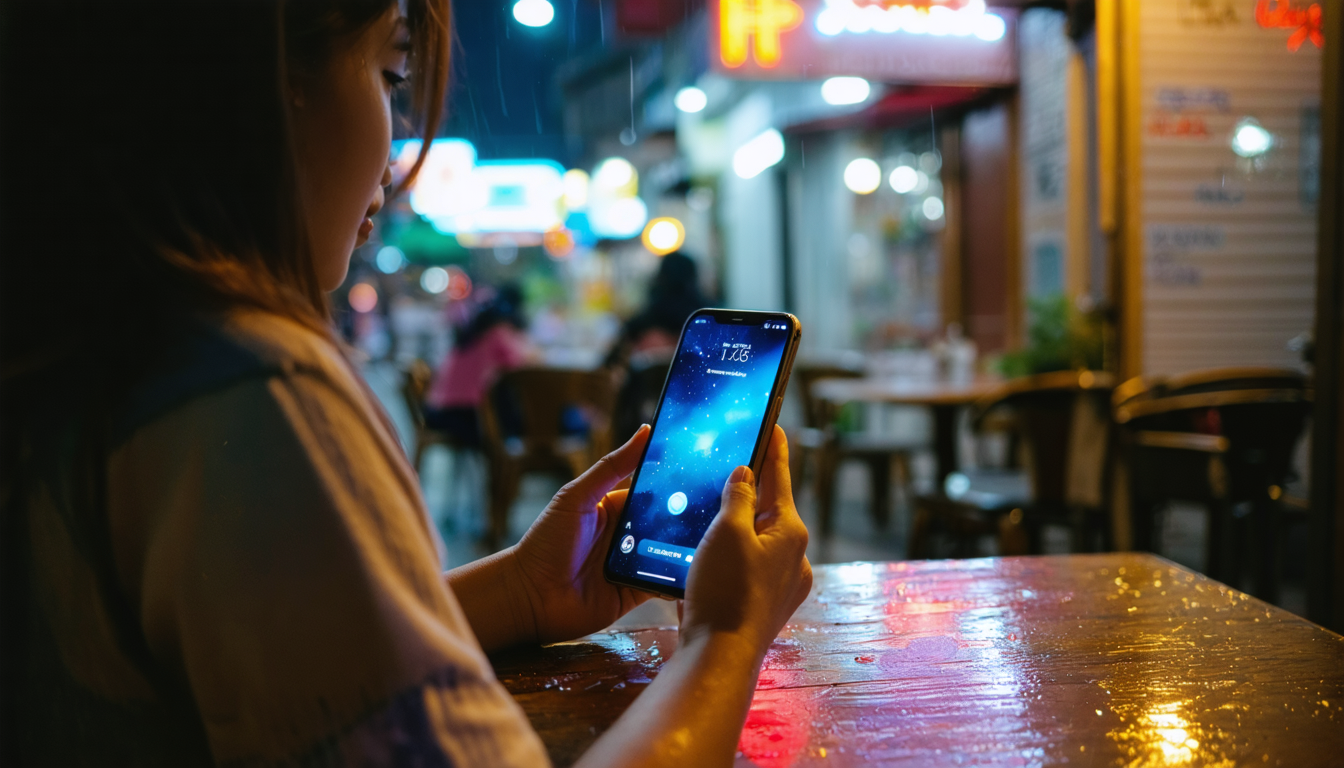
Indonesia's internet environment has shifted over the years—some sites that were once blocked have returned, while content filtering through systems like Internet Positif remains in place for certain categories. Beyond government-level restrictions, everyday internet users face a more immediate concern: public Wi-Fi networks in cafes, malls, and transport hubs are often unencrypted and monitored, leaving your browsing, passwords, and personal data exposed to anyone on the same network.
What's at Risk on Public Networks
When you connect to an open Wi-Fi network without encryption, your traffic is visible to others. This means login credentials, banking sessions, messages, and browsing history can be intercepted. Cybercriminals and even casual eavesdroppers can capture this data. In Indonesia's busy urban centers—Jakarta, Surabaya, Bandung—public Wi-Fi is everywhere, and the convenience often outweighs users' awareness of the risk. Even "secure-looking" networks can be fake hotspots set up to harvest data.
Content Filtering and Access
Indonesia's internet filtering framework, including Internet Positif and Kominfo's blocking regulations, restricts access to certain categories of content. The scope and enforcement vary, but users often encounter blocked sites or services that are accessible elsewhere. Whether you're trying to reach a global service, bypass throttling on specific platforms, or simply access information freely, a VPN encrypts your traffic and routes it through a server outside Indonesia's filtering infrastructure, making your connection appear as ordinary HTTPS traffic to your ISP and any monitoring systems.
Public Wi-Fi and ISP Throttling
Some ISPs in Indonesia throttle or deprioritize certain services during peak hours. If you're on a public network, you have no control over how your traffic is shaped. A VPN masks the destination of your traffic, so throttling algorithms cannot identify and slow specific apps or sites. This means more consistent speeds for video calls, messaging, and browsing—especially important if you rely on public networks for work or study.
How a VPN Protects You
A VPN encrypts all your traffic end-to-end, making it unreadable to anyone on the same network or monitoring your connection. It also routes your traffic through a secure server, so your real IP address and location are hidden. This protects your privacy on public Wi-Fi, helps you reach global services reliably, and keeps your activity private from your ISP and network administrators.
Doft VPN: Free Privacy, One Tap
Doft VPN is free on every server location—no payment required to connect securely. It uses VLESS + Reality encryption, which looks like ordinary HTTPS to DPI (Deep Packet Inspection) systems, so it works reliably even on networks with heavy filtering. Doft keeps no activity logs—no browsing history, no DNS queries, no traffic content—so your privacy stays yours. Connection takes one tap, making it practical for everyday use on Indonesia's public networks. Download it on Android or iOS and stay private wherever you connect.
Source: news.google.com
Blocked where you are?
Doft VPN is free and opens access in one tap.