Staying Private and Connected on Indonesia's Public Wi-Fi
Public Wi-Fi in Indonesia is convenient but risky. Learn what threats exist, why privacy matters, and how to protect yourself on cafes and transit networks.
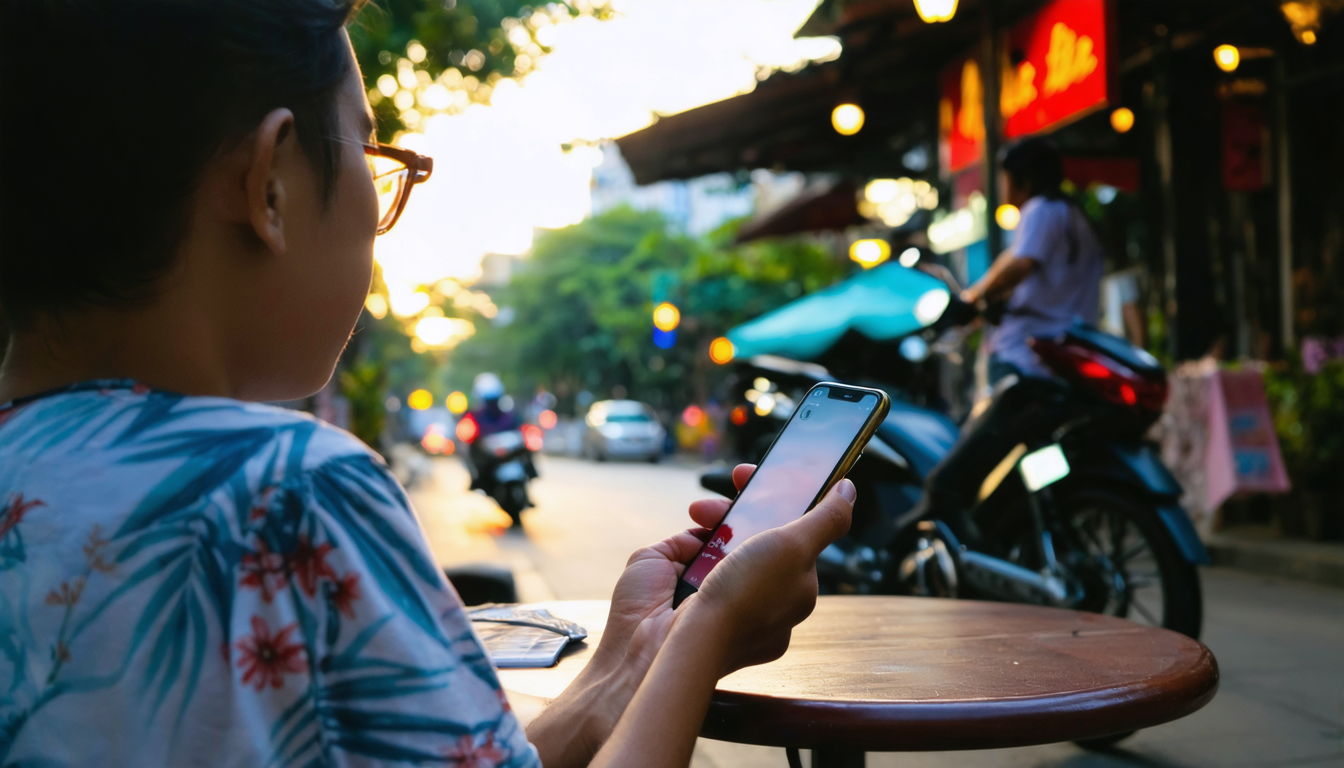
Public Wi-Fi is everywhere in Indonesia — in cafes, malls, airports, and on public transport. It's convenient, but it also exposes your phone and personal data to real risks. Understanding these threats and how to protect yourself is essential for anyone who uses the internet on the go.
What Makes Public Wi-Fi Risky
When you connect to an open or weakly secured network, anyone else on that network can potentially see your traffic. This is especially true on unencrypted connections. Attackers can intercept passwords, banking details, messages, and browsing activity. In Indonesia, where public Wi-Fi is a primary internet access point for many people, this risk is significant. Even if a network requires a password, if it's shared widely (as many cafe networks are), the protection is minimal.
Government Filtering and Your Privacy
Indonesia's Ministry of Communications (Kominfo) maintains a filtering system that blocks certain sites deemed to contain "negative content." This filtering happens at the ISP level, but on public networks — especially those run by larger providers — filtering can be more aggressive. Beyond blocking, your ISP and network operator can see which sites you visit and when. This metadata alone reveals a lot about your habits, interests, and location patterns. Even if a site isn't blocked, your activity is logged and potentially monitored.
How a VPN Protects You
A VPN encrypts your traffic so that others on your Wi-Fi network — and your ISP — cannot see what you're doing. Instead of your activity flowing directly to websites, it flows through an encrypted tunnel to a VPN server, which then connects to the internet on your behalf. This means:
- On public Wi-Fi: Your passwords, messages, and browsing are encrypted. Other users on the network cannot intercept them.
- From your ISP and network operator: Your activity is hidden. They see only encrypted data flowing to the VPN server, not your actual destinations or traffic content.
- Across borders: You can reliably access global services and news sources without relying on local filtering or throttling.
A good VPN also uses modern encryption that doesn't look suspicious. Older VPN traffic can sometimes be detected and blocked. Modern protocols like VLESS + Reality encryption mimic standard HTTPS, making it much harder for networks to identify and interfere with your connection.
Privacy Beyond Encryption
A trustworthy VPN should also keep no activity logs — no record of where you browse, what you search, or what you download. This means even the VPN provider cannot see your activity. This is especially important in a context where digital surveillance is a concern.
Getting Started with Doft VPN
Doft VPN is free on every server location, making it accessible to everyone in Indonesia. It uses VLESS + Reality encryption that looks like ordinary HTTPS, so it works reliably even on restrictive networks. It keeps no activity logs — no browsing history, no DNS queries, no traffic content — so your activity stays private. Best of all, it connects in one tap, so protecting yourself on public Wi-Fi takes seconds.
Stay safe, stay private, and stay connected — whether you're at your favorite cafe or on the move.
Source: news.google.com
Blocked where you are?
Doft VPN is free and opens access in one tap.