Staying Private and Connected on Indonesia's Public Networks
Indonesia's internet landscape includes site blocking, throttling on public Wi-Fi, and data collection risks. Here's what you need to know to stay secure and access the services you rely on.
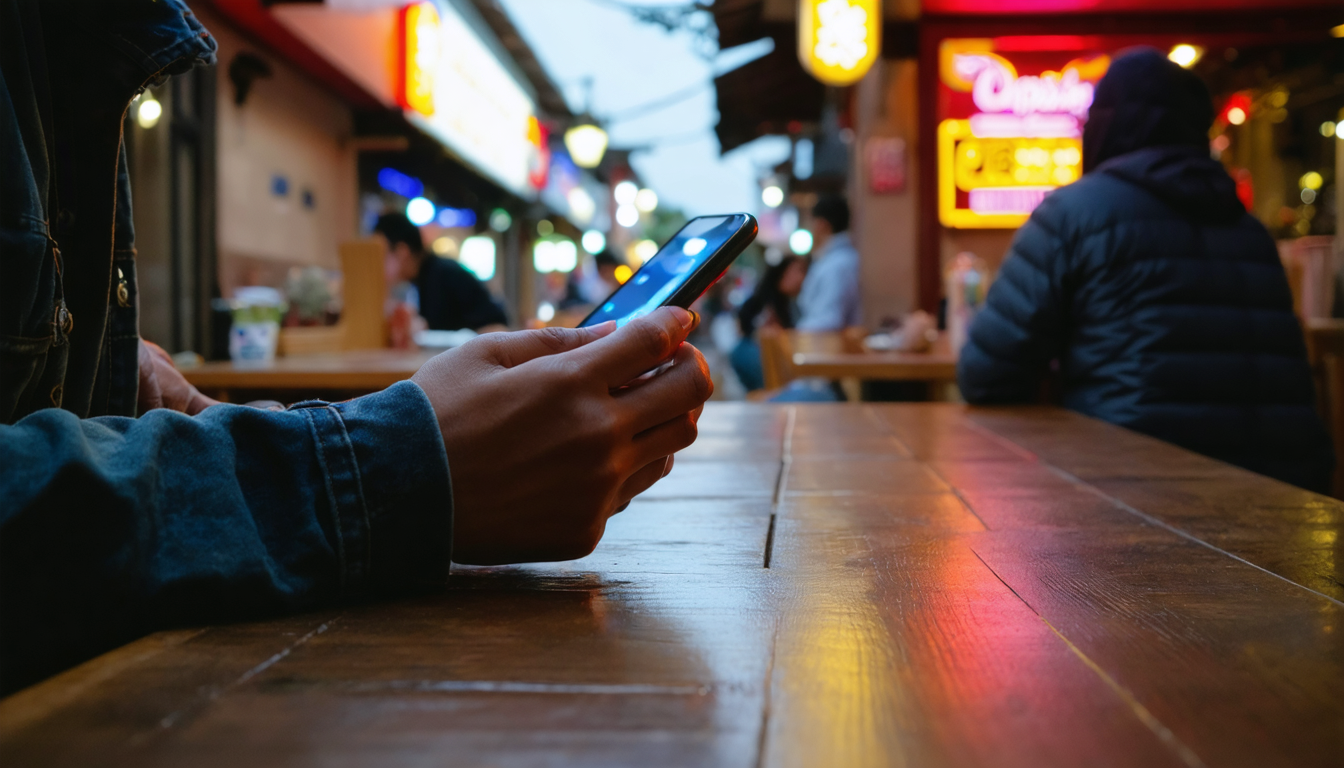
Internet access in Indonesia has expanded significantly—Reddit's unblocking after 11 years is a recent example—but the regulatory environment remains complex. Site blocking, throttling on public networks, and data collection remain real concerns for ordinary users. Understanding these risks and how to protect yourself is essential for staying private and connected.
What Gets Restricted and Throttled
Indonesia's Ministry of Communications (Kominfo) operates a content filtering system known as Internet Positif, which blocks sites deemed to contain negative content. While some restrictions are widely known, others change unpredictably. Beyond blocking, users on shared public Wi-Fi—cafes, malls, transit hubs—often experience throttling on certain services and unencrypted traffic exposure. Mobile carriers may also deprioritize or slow specific apps during peak hours. For anyone relying on video calls, cloud storage, or messaging for work, these slowdowns directly affect productivity.
Public Wi-Fi and Data Collection Risks
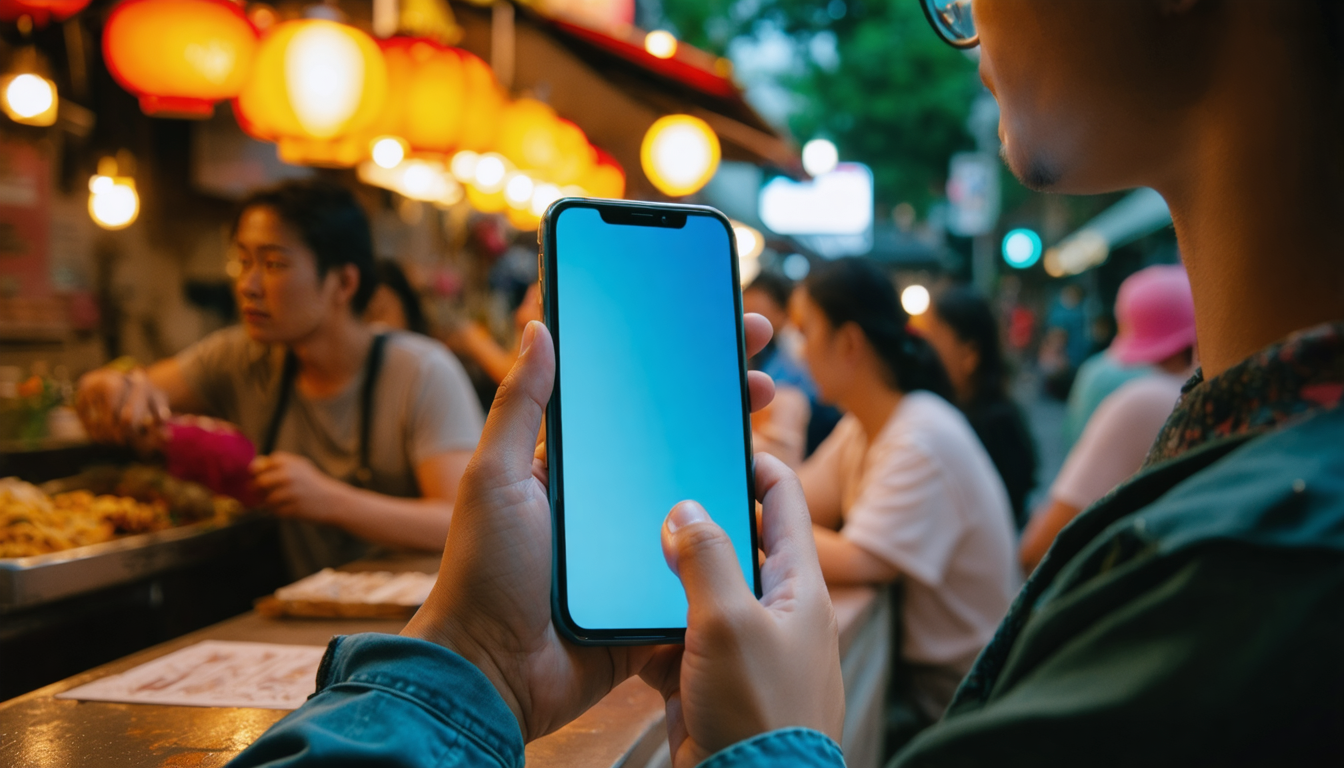
Public networks are inherently insecure. Your internet provider, network operator, and anyone with basic tools on the same Wi-Fi can see what you're doing: login credentials, messages, browsing history, DNS queries. This is especially risky if you're checking email, accessing banking apps, or handling sensitive work. Even encrypted apps like WhatsApp can reveal metadata—who you're talking to and when—if your traffic isn't protected at the network level. On a typical cafe or mall network, this exposure is almost invisible but continuous.
How a VPN Protects You
A VPN encrypts all your traffic before it leaves your device, making it unreadable to your ISP, network operator, or anyone else on the same Wi-Fi. This means your browsing history, DNS queries, and app usage remain private. Your real IP address is hidden, so your location and identity are not exposed to the sites you visit. A VPN also helps you access services reliably by routing around throttling and blocking—your traffic looks like ordinary encrypted HTTPS to network monitors, so it's not easily flagged or slowed. On public Wi-Fi, a VPN is one of the most practical defenses against credential theft and data interception.
Why Doft VPN Works Well Here
Doft VPN is free on every server location, so there's no cost barrier to staying private. It uses VLESS + Reality encryption, which is modern and designed to look like normal HTTPS traffic—harder for network filters to detect or block. It keeps no activity logs—no browsing history, no DNS queries, no traffic content—so your privacy is protected even from Doft itself. And it connects in one tap, so you can secure your connection instantly on any public network without fiddling with settings. The free tier includes a daily data allowance and reasonable speed; Premium upgrades both if you need more. For most users checking email, messaging, and browsing on public Wi-Fi, free is enough to stay safe.
The Takeaway
Internet privacy in Indonesia requires active steps. Public Wi-Fi is convenient but risky; throttling and blocking affect access to services you rely on. A VPN is a straightforward, practical tool to encrypt your traffic, protect your privacy, and stay connected. Doft VPN makes this free and simple—download it, tap to connect, and browse with confidence.
Source: news.google.com
Blocked where you are?
Doft VPN is free and opens access in one tap.