Why Indians are turning to VPNs: access, privacy, and staying connected
App blocks, public Wi-Fi risks, and throttling are common in India. A VPN encrypts your traffic, protects your privacy, and helps you reach global services reliably.
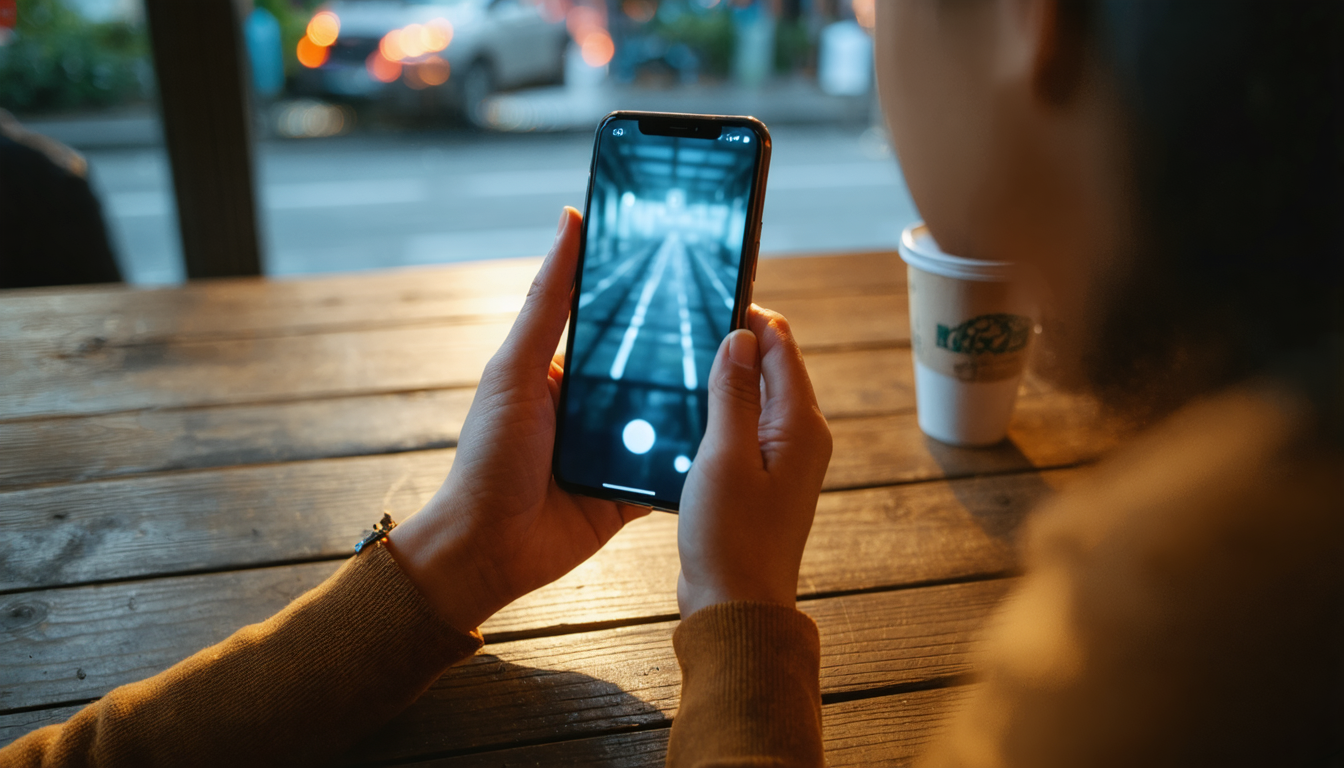
India's internet landscape has shifted sharply in recent months. Temporary app blocks—most recently Telegram over exam security concerns—have become a regular occurrence, and ISP-level filtering affects access to content across messaging, streaming, and news services. At the same time, millions of Indians use public Wi-Fi daily on trains, in cafes, and at airports, often without realizing how exposed they are. A VPN addresses both: it encrypts your traffic so your ISP and network operators cannot see what you're doing, and it lets you reach services reliably even when they're blocked or throttled locally.
What gets restricted and throttled in India
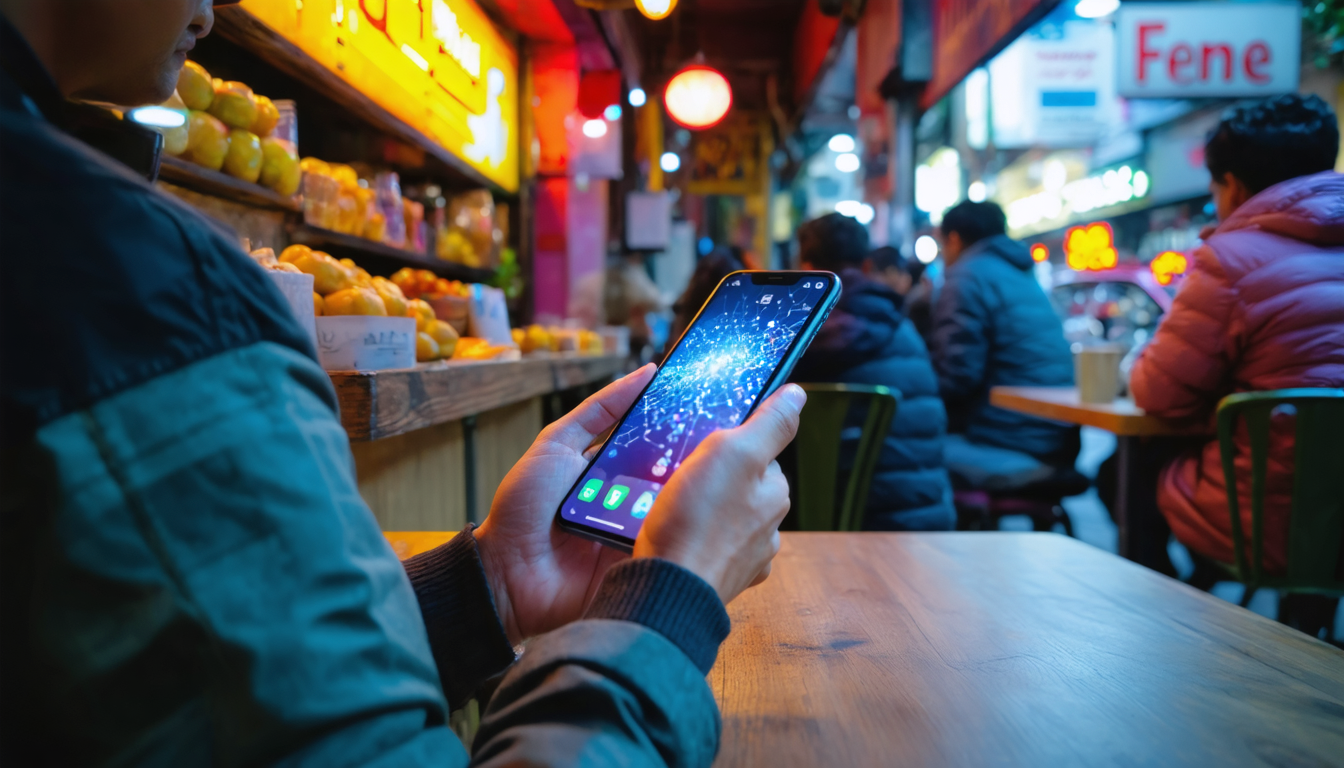
Indian regulators and ISPs regularly block or slow specific apps and websites—sometimes for security reasons (exam fraud prevention), sometimes for content moderation, and sometimes based on legal requests. Telegram, YouTube, and various streaming services have all faced temporary or partial blocks. Beyond outright bans, throttling is common: video streaming and VoIP services like WhatsApp calling are often deprioritized on certain networks. Public Wi-Fi is equally risky; your browsing, login credentials, and app activity can be intercepted by anyone on the same network.
How a VPN protects you
A VPN encrypts all your traffic between your device and a remote server, hiding both what you're doing and where you're connecting from. This means:
- On public Wi-Fi: Your passwords, messages, and browsing are encrypted. Even on an open network, attackers cannot intercept them.
- From your ISP: Your ISP sees only that you're using a VPN; it cannot see which sites you visit, what you search for, or which apps you use.
- Reaching blocked services: A VPN routes your connection through a server outside India, so local blocks do not apply to you.
- Against throttling: Because your ISP cannot see your traffic type, it cannot selectively slow video or calls.
Privacy on your terms
Many Indians are concerned about what their ISP, network, or government can see. A good VPN keeps no activity logs—no browsing history, no DNS queries, no traffic content—so even the VPN provider cannot see what you're doing. This is especially important when using untrusted networks or accessing sensitive services.
Doft VPN: free, fast, and private
Doft VPN is free on every server location, so you can start protecting yourself immediately. It uses modern VLESS + Reality encryption, which looks like ordinary HTTPS traffic to your ISP and network—making it much harder to detect or block than older VPN protocols. It keeps no activity logs, so your privacy stays yours. And it connects in one tap, so you're protected in seconds, whether you're on a cafe Wi-Fi or traveling across India.
Download Doft VPN for free on Android or iOS, tap connect, and browse, message, and stream with confidence. Your privacy is not a premium feature.
Source: news.google.com
Blocked where you are?
Doft VPN is free and opens access in one tap.