Staying Connected in India: Why Privacy Matters on Public Wi-Fi
India's internet landscape has shifted dramatically with recent app restrictions and throttling. Here's what you need to know about protecting your privacy and staying connected.
India's internet has become increasingly fragmented. Recent temporary blocks on messaging apps, ongoing throttling of specific services, and the rise of ISP-level content filtering mean many users are left wondering what's safe to access and how to keep their data private. If you use public Wi-Fi — at cafes, airports, or while commuting — the risks are even higher. Understanding what's at stake, and how to protect yourself, is now essential.
What's Restricted and Why It Matters
India's regulators use a combination of laws — the Information Technology Act, intermediary guidelines, and court orders — to block or throttle apps and services deemed problematic. Recent temporary restrictions on messaging platforms have left millions searching for alternatives. Beyond high-profile blocks, many users also experience throttling of video streaming, VoIP services, and news sites during sensitive periods. For students, professionals, and anyone relying on global tools, these restrictions can mean lost access to work, study resources, or simply staying in touch with family abroad.
The Public Wi-Fi Problem
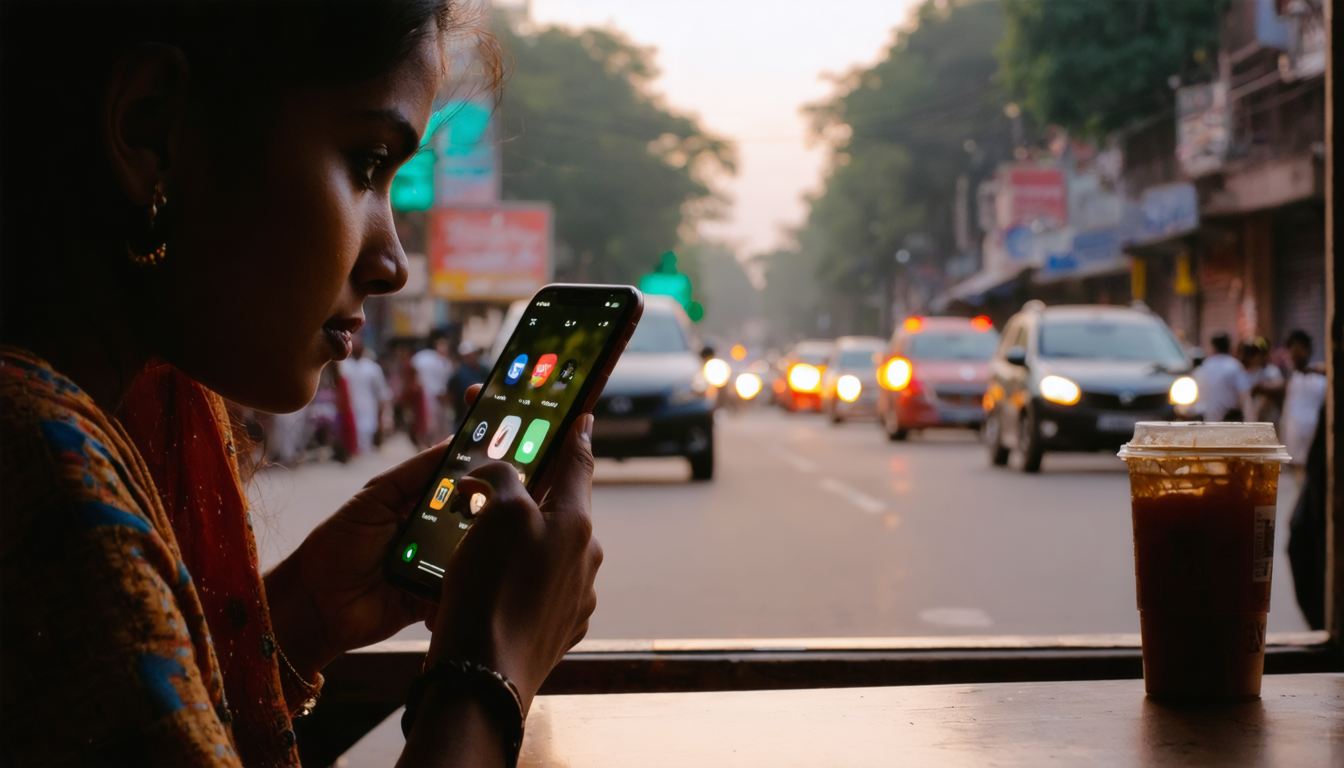
When you connect to an open Wi-Fi network — whether at a railway station, hotel, or coffee shop — your traffic is visible to anyone on that network. Without encryption, your passwords, messages, banking details, and browsing history can be intercepted. ISPs and network administrators can also see and log what you do. In India's dense urban centers, where public Wi-Fi is common, this exposure is a real daily risk.
How a VPN Protects You
A VPN encrypts your entire connection, making your traffic unreadable to anyone watching the network. It also masks your real IP address, so websites and services see only the VPN server's address, not yours. This means:
- On public Wi-Fi, your passwords and data stay private, even on unsecured networks.
- Your browsing remains private — your ISP and network admins cannot see which sites you visit or what you do on them.
- You can reach global services reliably, without throttling or regional restrictions interfering with your work or study.
- Your activity is not logged — no one builds a record of your online behavior.
Why Doft VPN Works for India
Doft VPN uses VLESS + Reality encryption, a modern protocol that disguises your VPN traffic as ordinary HTTPS. This matters in India, where some networks actively block or throttle known VPN protocols. Because your traffic looks like regular web browsing, it bypasses these blocks reliably.
Every server location is free — no paywall, no data limit tied to a trial period. If you want faster speeds and a much larger monthly data allowance, Premium is available, but you can stay private and connected at no cost. Doft keeps no activity logs — no browsing history, no DNS queries, no traffic content — so there's no record of what you do online. And it connects in one tap, so privacy doesn't require technical setup.
The Bottom Line
India's internet is changing. Whether you're navigating app restrictions, protecting yourself on public Wi-Fi, or simply keeping your online activity private, a VPN is now a practical necessity. Doft VPN makes that protection free and simple.
Source: news.google.com
Blocked where you are?
Doft VPN is free and opens access in one tap.