
Staying Connected in India: When Apps Get Blocked and Why Privacy Matters
App bans, throttling, and public Wi-Fi risks are part of daily internet life in India. Here's what's happening, why it matters, and how to stay secure.
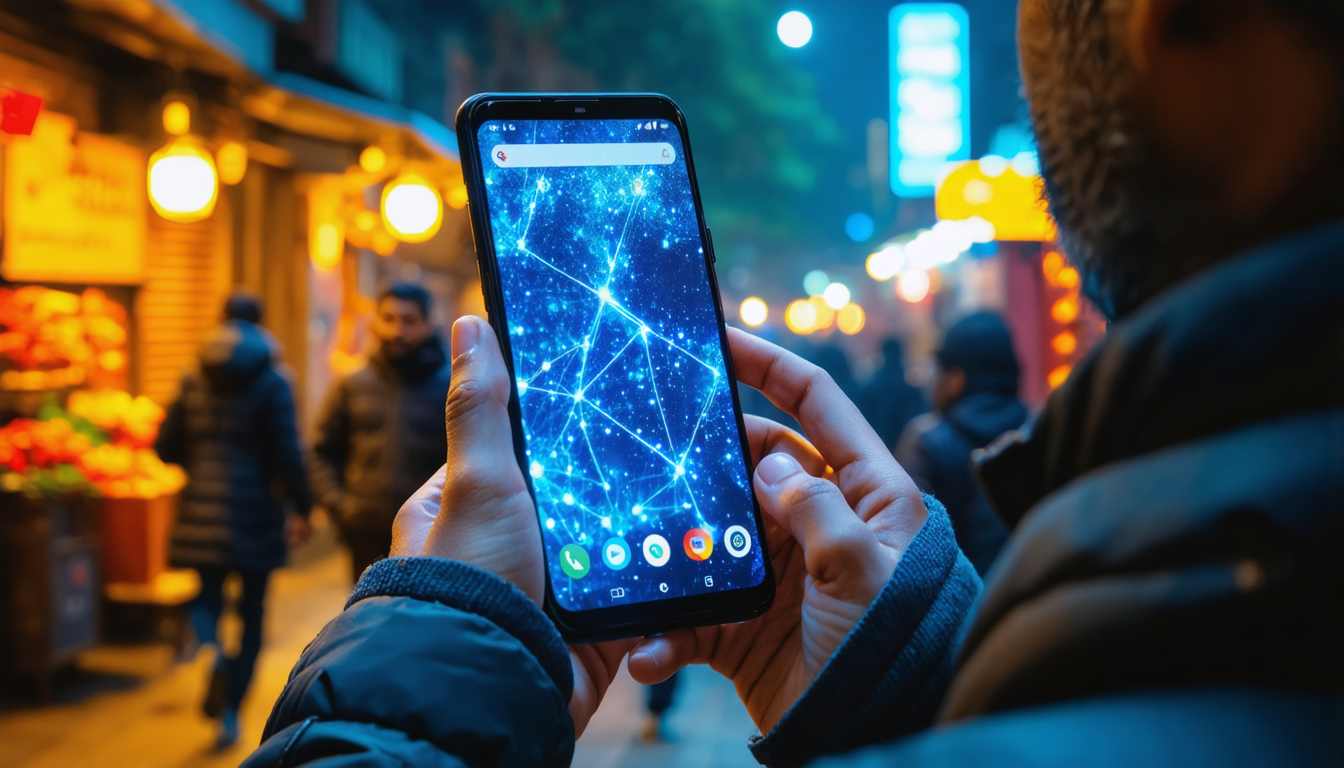
India's internet landscape has shifted dramatically in recent years. From Telegram to TikTok, app blocks are now routine — sometimes temporary, sometimes permanent — and users are left scrambling to stay connected to services they rely on. At the same time, public Wi-Fi networks in cafes, trains, and airports expose your data to interception. Understanding these risks and how to protect yourself is no longer optional.
Why Apps Get Blocked and What It Means for You
Indian regulators use laws like the Information Technology Act and rules around national security, exam integrity, and content moderation to block apps and services. When Telegram was recently blocked over exam fraud concerns, millions of users lost access overnight. TikTok remains unavailable after a 2020 ban. These aren't glitches — they're deliberate restrictions enforced at the ISP level, which means your internet service provider blocks access before your traffic even leaves India.
For everyday users, this means messaging apps, social platforms, and news sites can vanish without warning. If your work, family, or business depends on a blocked service, you're cut off. A VPN bypasses ISP-level blocking by routing your traffic through an encrypted tunnel to a server outside India, making it appear as ordinary encrypted web traffic rather than a banned app.
Public Wi-Fi: A Privacy Minefield
India's coffee shops, malls, and transit hubs offer free Wi-Fi — but they're also hunting grounds for data theft. On an unencrypted public network, anyone with basic tools can intercept your passwords, banking details, messages, and browsing history. Even if the network requires a password, the connection between your phone and the router is often unprotected.
A VPN encrypts all traffic leaving your device, so even on a compromised network, your activity remains private and your data stays yours. This is especially critical when checking email, accessing banking apps, or entering sensitive information.
Throttling and Network Reliability
Some ISPs throttle (slow down) traffic to certain services or during peak hours. A VPN can help you bypass throttling by obscuring which service you're using — your ISP sees only encrypted traffic, not the app or website behind it. This doesn't guarantee speed, but it removes one common barrier to reliable connectivity.
How Doft VPN Helps
Doft VPN uses modern VLESS + Reality encryption, which disguises your traffic as ordinary HTTPS — making it invisible to both ISPs and DPI (deep packet inspection) systems that try to detect and block VPN use. It keeps no activity logs — no browsing history, no DNS queries, no traffic content — so your privacy is protected even from Doft itself.
Every server location is free, with a daily data allowance and reasonable speed ceiling. If you need faster speeds or a larger monthly allowance, Premium is available. Best of all, it connects in one tap — no configuration, no complexity. Download Doft VPN on Android or iOS today and regain access to the global internet, securely and privately.
Source: news.google.com
Blocked where you are?
Doft VPN is free and opens access in one tap.