
Staying Connected in India: VPNs, Shutdowns, and Your Privacy
Internet access in India faces growing restrictions—from app blocks to regional shutdowns. Here's what you need to know about staying connected and private.
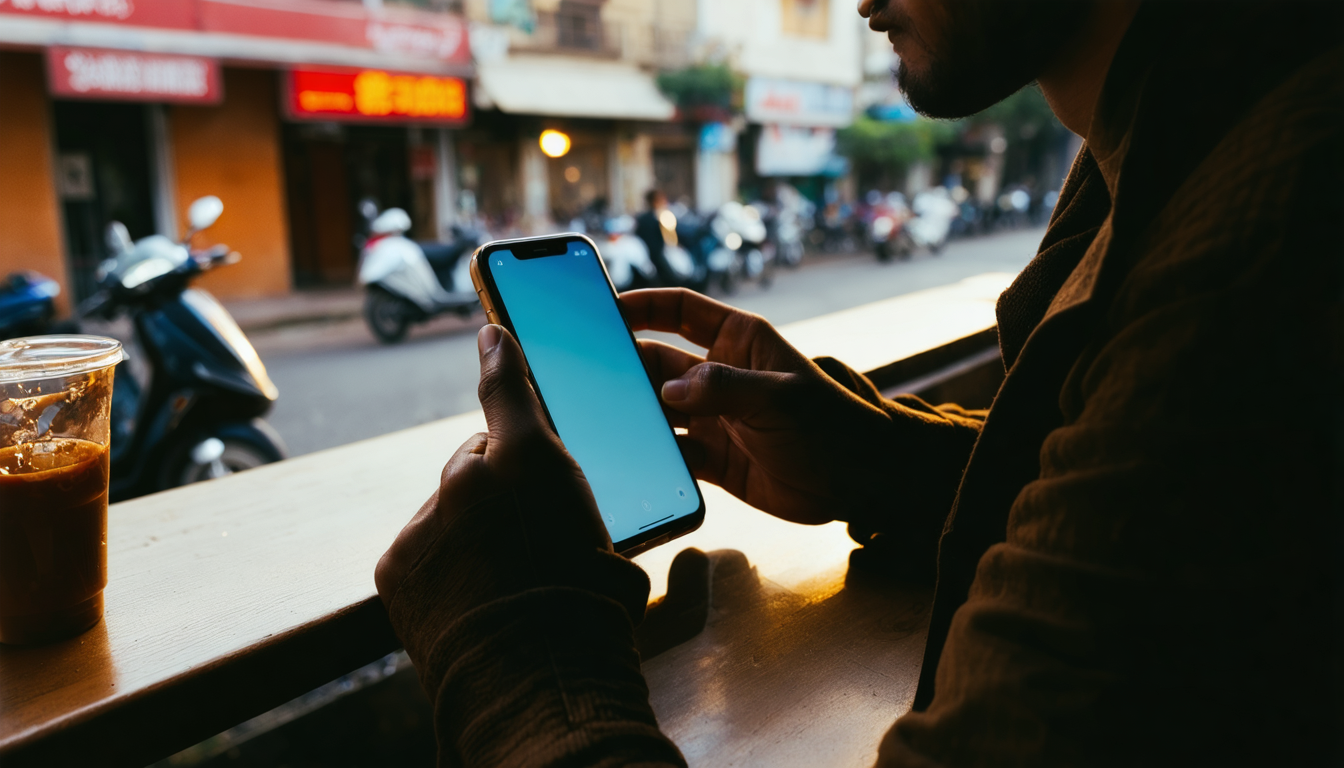
India's internet landscape has become increasingly fragmented over the past few years. Apps like Telegram have faced temporary blocks, certain content is routinely filtered by ISPs, and entire regions have experienced internet shutdowns during exams, protests, or emergencies. For millions of users, these restrictions mean interrupted access to services, lost productivity, and uncertainty about when connectivity will return. Beyond outages, everyday internet use on public Wi-Fi carries privacy risks—your browsing activity, messages, and location can be visible to network operators and others on the same connection.
Why Apps and Services Get Blocked
India's regulators and government agencies use laws like the Information Technology Act to order ISPs to block specific apps, websites, and services. These blocks are often temporary but can last weeks or months. Telegram, for instance, has faced repeated blocks during sensitive periods. Streaming services, news sites, and social media platforms are also sometimes throttled or filtered based on content concerns. While the stated aim is often public safety, the effect is real: users cannot reach services they rely on, and alternatives may be slow or unavailable.
Internet Shutdowns and Regional Disconnection
Internet shutdowns—complete or partial disconnection of connectivity in a region—have become more common across India. They occur during exams (to prevent cheating), protests (to limit coordination), or emergencies. When a shutdown happens, you cannot work, study, access banking, or reach family. These events cost the economy billions and leave residents, especially students and workers, stranded. Even partial throttling of mobile data during sensitive times makes ordinary tasks like video calls or loading websites painfully slow.
Public Wi-Fi: A Privacy Blind Spot
Cafés, airports, and transit hubs across Indian cities offer free Wi-Fi, but they come with hidden costs. On an unencrypted public network, anyone nearby—or anyone with basic tools—can see your login credentials, messages, banking details, and browsing history. ISPs and network owners can also log your activity. If you use public Wi-Fi to check email, access social media, or handle sensitive work, your data is exposed.
How a VPN Helps
A VPN encrypts all your traffic, making it unreadable to ISPs, network operators, and others on the same Wi-Fi. It also routes your connection through a secure server, so your real IP address and location are hidden. This means:
- On public Wi-Fi: Your passwords, messages, and browsing stay private, even on open networks.
- During blocks: If an app or service is blocked by your ISP, a VPN can help you reach it by routing around the block.
- Activity privacy: Your ISP cannot see which sites you visit or what you do online.
Doft VPN does this for free on every server location. It uses modern VLESS + Reality encryption, which looks like ordinary HTTPS traffic and is harder for network filters to detect. It keeps no activity logs—no browsing history, no DNS queries, no traffic content—so your online behavior remains yours alone. Connection takes one tap, and there's no signup required. Premium adds up to 10x the speed and a much larger monthly data allowance if you need it, but the free tier covers everyday privacy and access needs.
The Takeaway
Internet restrictions and shutdowns in India are real, and public Wi-Fi is rarely safe. A VPN is a practical, everyday tool to keep your data private and stay connected to the services you rely on. Doft VPN makes that protection free and simple—download it, connect, and browse with confidence.
Source: news.google.com
Blocked where you are?
Doft VPN is free and opens access in one tap.