
India's Internet Restrictions: Why VPNs Matter for Your Privacy
App blocks, throttling, and public Wi-Fi risks are common in India. A VPN encrypts your traffic and keeps your activity private—here's what you need to know.
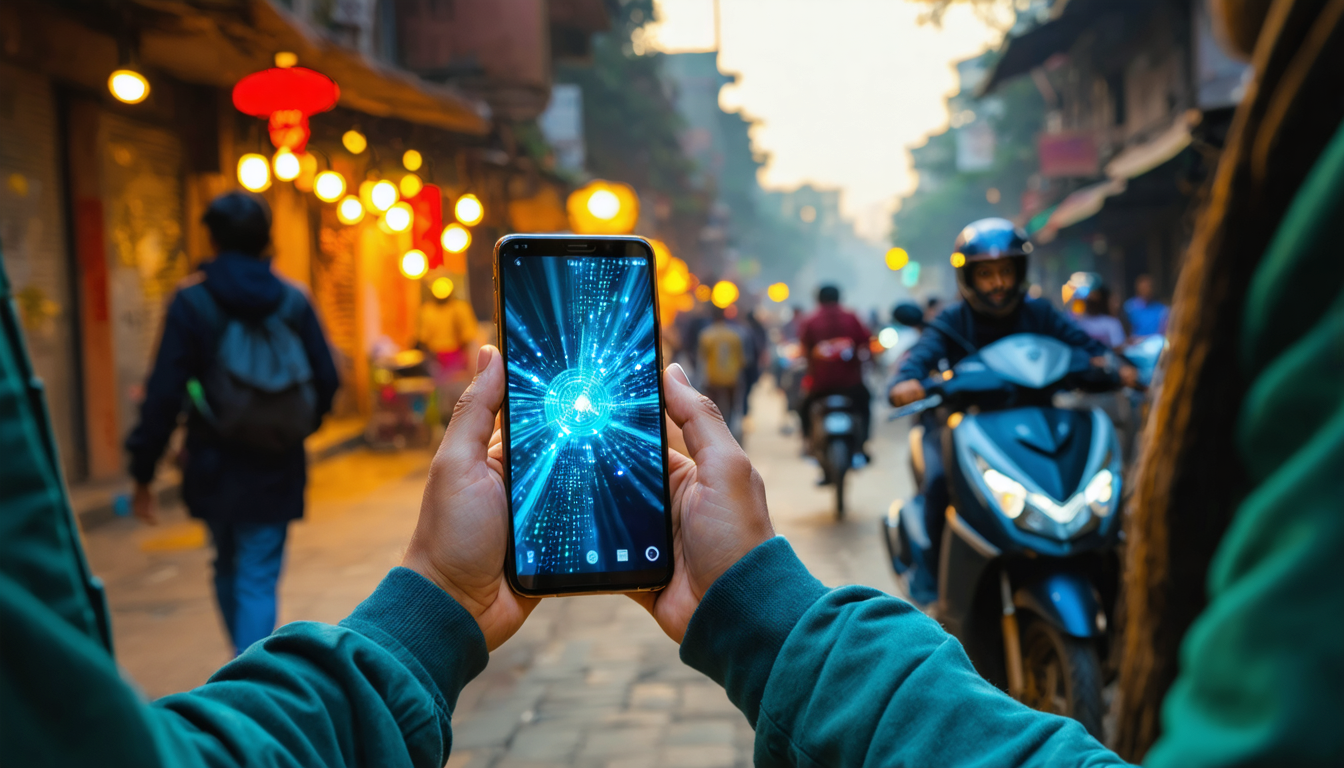
India's internet landscape has shifted significantly in recent years. Messaging apps, streaming services, and news sites are regularly restricted by court order or regulatory action—most recently Telegram, blocked in June 2026 over exam fraud concerns. Beyond high-profile bans, users face throttling on certain services, risks on public Wi-Fi networks, and the reality that ISPs can log and monitor traffic. Understanding these pressures and how to stay private is now essential for millions of Indians.
What Gets Blocked and Why
India's telecom regulator and courts have broad authority to order ISP-level blocks of apps and websites. These blocks typically target messaging platforms (over concerns about misinformation or crime), news outlets (political sensitivity), and sometimes streaming or gambling services. When a block happens, it is usually swift and affects all major networks. Users often turn to VPNs to restore access, which is why VPN downloads surged dramatically after the Telegram block in 2026. Beyond outright bans, some services experience throttling—slower speeds for video or calling apps—even when not formally blocked.
Public Wi-Fi and Data Risks
Cafés, malls, airports, and offices across Indian cities offer free Wi-Fi, but these networks are often unencrypted. On an open network, anyone nearby with basic tools can see what you send: passwords, messages, banking details, and browsing history. This is especially risky if you check email, log into social media, or access banking apps on public Wi-Fi. A VPN encrypts all your traffic end-to-end, so even if someone intercepts your data, they see only encrypted gibberish. Your ISP and network operator also cannot see what you are doing.
ISP Monitoring and Activity Logs
In India, ISPs are required by law to maintain records of user activity for law enforcement. This means your browsing history, app usage, and DNS queries can be logged and potentially accessed by authorities or retained by your ISP. A VPN masks your activity by encrypting your traffic and routing it through a remote server. Your ISP sees only that you are connected to a VPN, not what you are actually doing online. This separation between your identity and your activity is a core privacy protection, especially important if you read sensitive news, access health information, or simply value your digital privacy.
How Doft VPN Helps
Doft VPN is free on every server location, so you can start protecting your privacy without cost or commitment. It uses modern VLESS + Reality encryption, which disguises your VPN traffic as ordinary HTTPS—making it harder for network filters to detect or block. Doft keeps no activity logs—no browsing history, no DNS queries, no traffic content—so your online activity stays between you and the sites you visit. And it connects in one tap, so staying private is simple and fast.
Whether you need to access a blocked service, stay safe on public Wi-Fi, or simply keep your activity private from your ISP, a VPN is now a practical tool for everyday internet use in India. Doft VPN makes that protection free and straightforward.
Source: news.google.com
Blocked where you are?
Doft VPN is free and opens access in one tap.