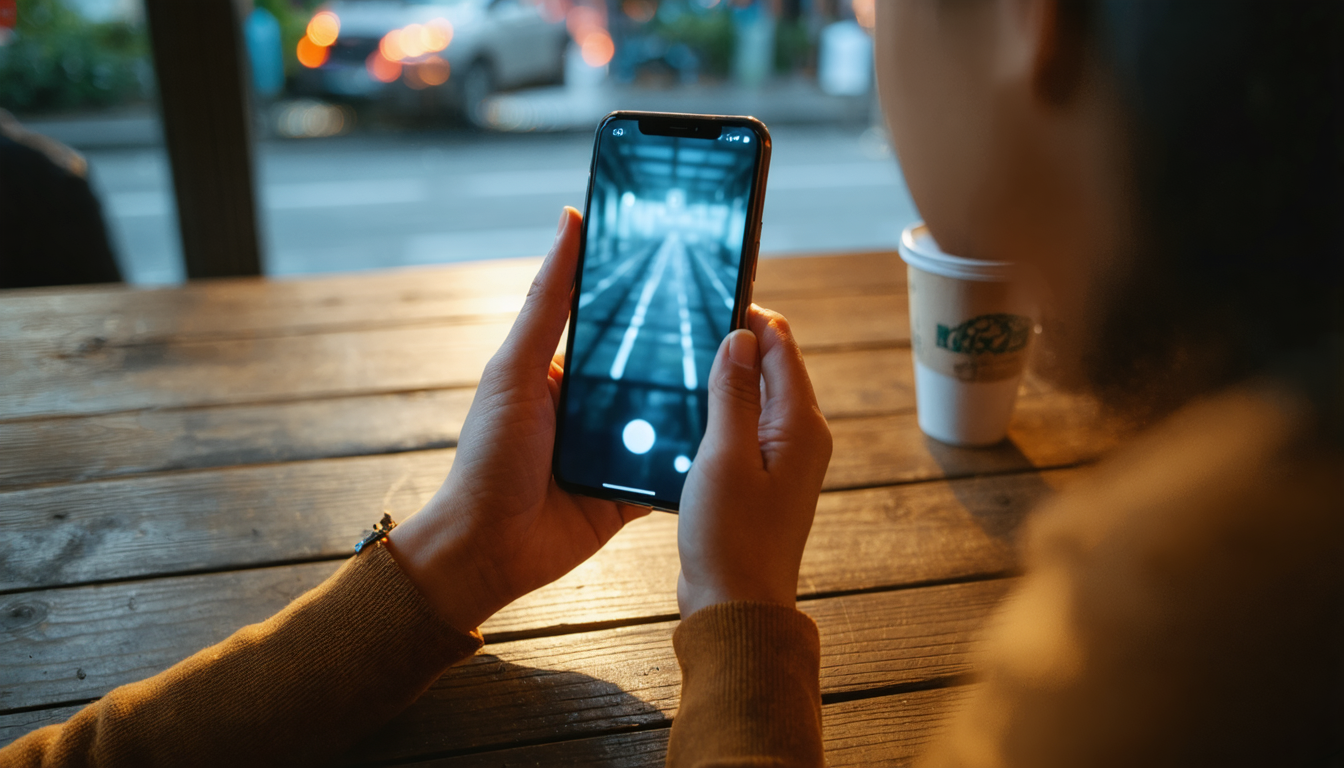
Staying Connected in Belarus: Digital Privacy and Access
Internet access in Belarus faces growing regional restrictions and geopolitical pressures. Learn what risks exist on public networks and how encryption helps you stay private and connected.
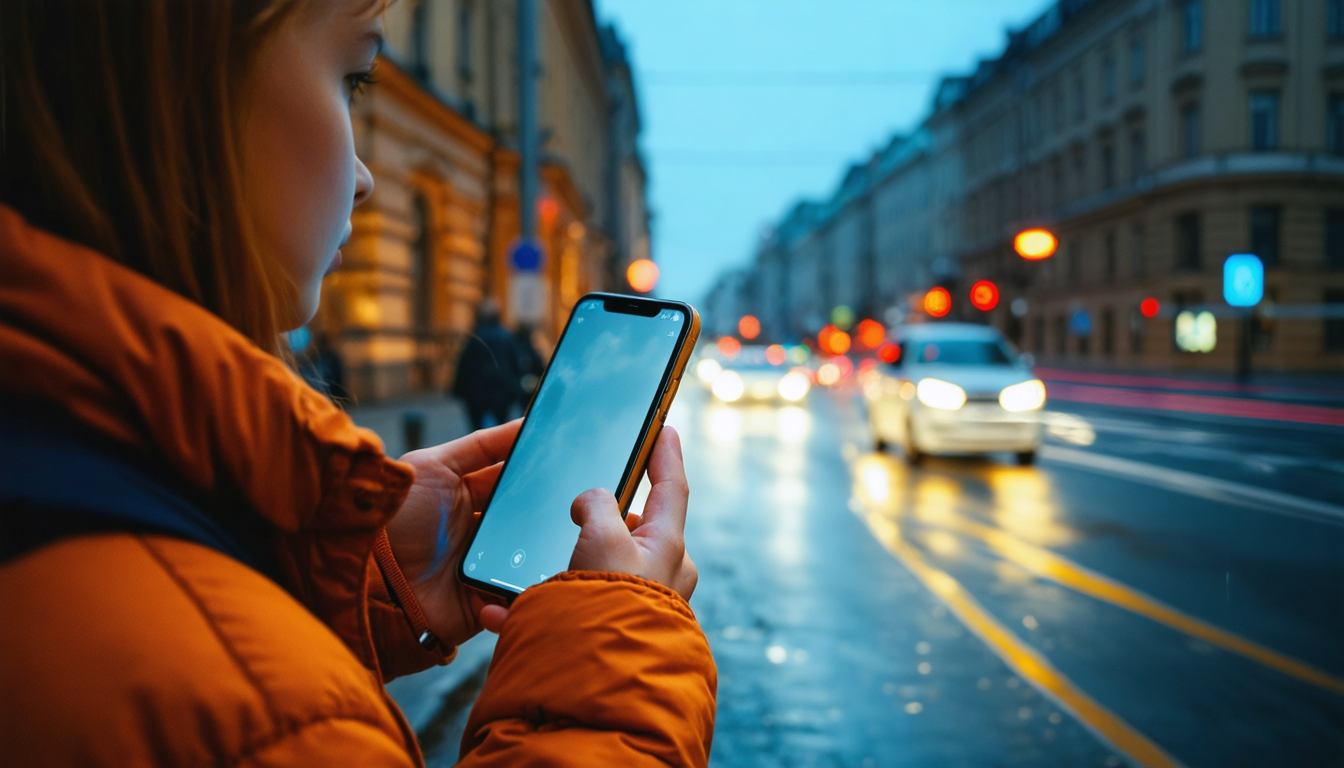
Internet freedom in Belarus has become increasingly complex. Regional sanctions, content restrictions affecting neighboring countries, and evolving network monitoring mean that staying privately connected—whether at home, in a café, or on public transport—requires understanding both the risks and the practical tools available to you.
What's Restricted and Why
Belarus does not operate a centralized internet firewall comparable to some neighbors, but access to certain content is shaped by geopolitical tensions and regulatory decisions. Recent sanctions imposed by the EU and neighboring countries have led to blocking of specific media outlets and services in those regions, and users accessing content from abroad may find their traffic scrutinized or throttled. Public Wi-Fi networks—in cafés, transport hubs, and shared workspaces—are particularly vulnerable: unencrypted traffic can be intercepted, login credentials stolen, and your browsing activity logged by network operators or other users on the same network.
The Public Wi-Fi Risk
When you connect to open Wi-Fi without a VPN, every website you visit, every message you send, and every file you download is visible to anyone monitoring the network. This is especially risky when accessing email, banking, or messaging apps that contain sensitive information. Even encrypted websites (HTTPS) reveal which sites you visit through DNS queries—a record of every domain you look up. On a shared network, this metadata alone can paint a detailed picture of your online behavior.
How a VPN Protects You
A VPN encrypts all your traffic before it leaves your device, making it unreadable to the network operator, your internet service provider, or other users on the same Wi-Fi. This means your browsing activity, DNS queries, and data remain private. A modern VPN using stealth encryption—like VLESS + Reality—goes further: your encrypted connection looks like ordinary HTTPS traffic to network monitoring tools, making it harder to detect or block even in restrictive environments. This allows you to access global services reliably without triggering deep packet inspection (DPI) systems that might otherwise throttle or flag your connection.
Why No Activity Logs Matter
A VPN that keeps activity logs—your browsing history, DNS queries, or traffic content—defeats the purpose of encryption. You need a provider that genuinely protects your privacy by keeping no activity logs — no browsing history, no DNS queries, no traffic content. This means even the VPN provider cannot be compelled to hand over a record of where you've been online.
Doft VPN: Free Privacy on Every Server
Doft VPN gives you encrypted, private access on every server location at no cost. It uses VLESS + Reality encryption that defeats DPI detection, connects in one tap, and keeps no activity logs — no browsing history, no DNS queries, no traffic content. The free tier includes a daily data allowance and standard speed; if you need higher speeds and a larger monthly allowance, Premium is available. Whether you're on café Wi-Fi, a train, or at home, Doft VPN encrypts your connection and protects your privacy without requiring payment or personal data.
Stay connected. Stay private. It's that simple.
Source: news.google.com
Blocked where you are?
Doft VPN is free and opens access in one tap.